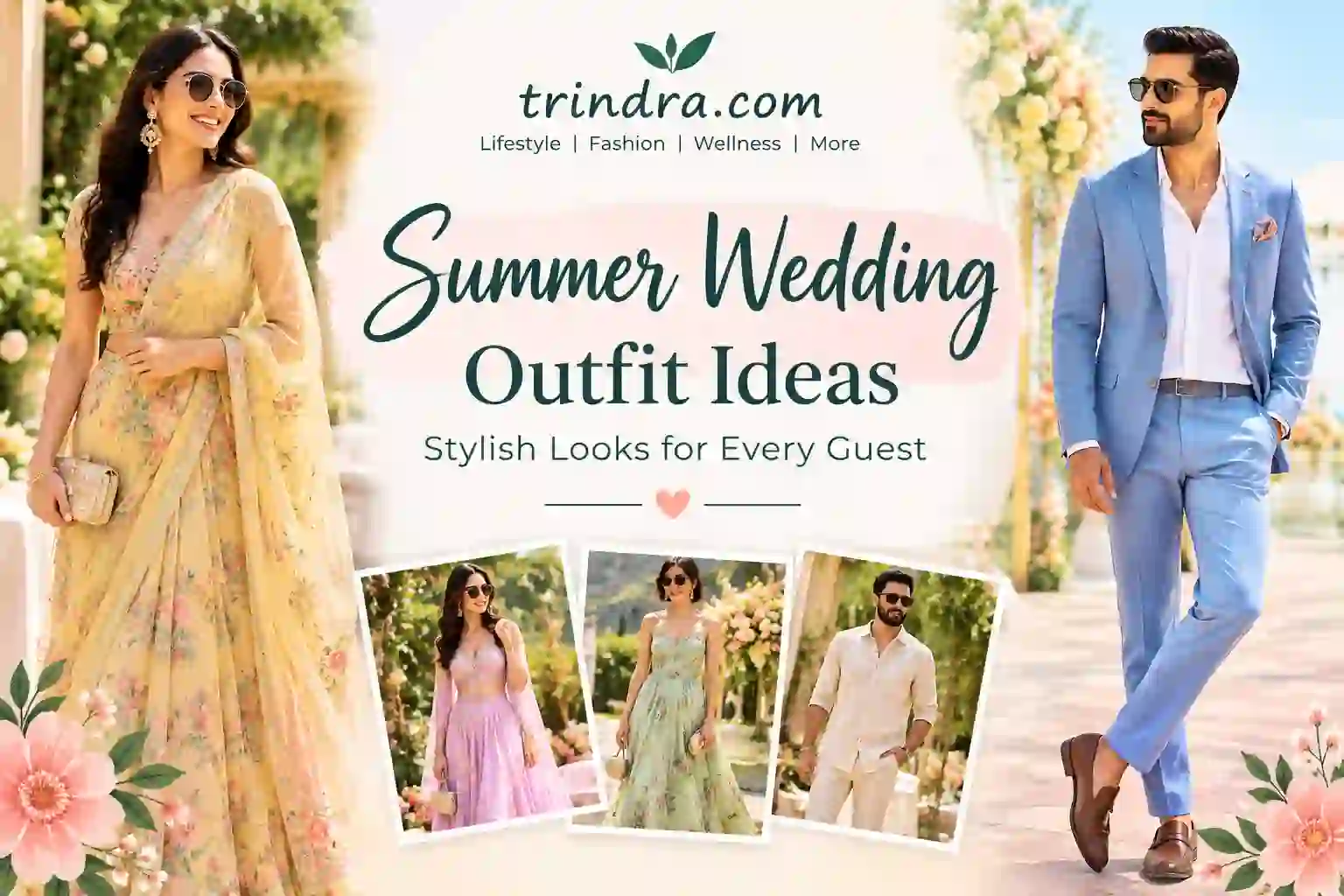

Fashion is more than just wearing stylish clothes; it is a way to express your personality, confidence, and creativity. From everyday outfits to special occasion looks, the right clothing choices can help you feel comfortable and present your unique identity. Modern fashion includes different styles, seasonal trends, wardrobe essentials, accessories, and sustainable clothing choices. Whether you prefer a simple casual look, elegant outfits, or the latest fashion trends, understanding the basics can make dressing easier and more enjoyable. In this guide, Trindra explores practical fashion tips, wardrobe ideas, and styling inspiration to help you understand and enjoy modern fashion.
1: Different Fashion Styles and Trends
Fashion allows people to express their personalities through clothing, colors, patterns, and accessories. Everyone has different preferences, so understanding various fashion styles can help you discover what suits your lifestyle. Some people prefer simple everyday outfits, while others enjoy experimenting with modern trends and creative looks.
1. Casual Fashion Style
Casual fashion focuses on comfort and simplicity. Jeans, T-shirts, sneakers, and comfortable dresses are popular choices for everyday activities, shopping, and meeting friends.
2. Classic and Timeless Fashion
Classic fashion includes elegant clothing that never goes out of style. Blazers, tailored trousers, plain shirts, and neutral-colored dresses are versatile wardrobe essentials.
3. Streetwear Fashion
Streetwear combines comfort with modern urban trends. Oversized shirts, hoodies, sneakers, and relaxed trousers are common elements of this style.
4. Formal and Business Fashion
Formal fashion is suitable for workplaces, meetings, and special occasions. It includes suits, dress shirts, formal dresses, blazers, and polished shoes.
5. Minimalist Fashion
Minimalist fashion focuses on simple designs, neutral colors, and versatile clothing. It helps create different outfits using fewer wardrobe pieces.
6. Sustainable Fashion
Sustainable fashion encourages responsible shopping, durable clothing, and environmentally friendly materials. Buying quality items and choosing secondhand clothing can support more thoughtful fashion habits.
7. Seasonal Fashion Trends
Seasonal trends change throughout the year. Summer usually brings lightweight fabrics, while winter encourages warm sweaters, coats, and comfortable layers.
Choosing a personal fashion style does not mean following every trend. Instead, focus on clothing that matches your preferences, daily activities, and comfort. Combining different styles can also help you create a unique look.
2: Building a Timeless and Versatile Wardrobe
A well-organized wardrobe makes everyday dressing easier and helps you create different outfits without buying too many clothes. Building a timeless and versatile wardrobe means choosing comfortable, useful, and stylish pieces that can be worn on different occasions. Instead of following every temporary trend, focus on clothing that matches your personal style and daily needs.
1. Choose Basic Wardrobe Essentials
Start with simple clothing items that are easy to combine. Plain T-shirts, jeans, neutral shirts, comfortable trousers, and classic jackets are useful choices for creating everyday outfits.
2. Focus on Neutral Colors
Neutral colors such as black, white, beige, grey, and navy are easy to match. These shades allow you to create multiple outfit combinations using fewer clothing pieces.
3. Invest in Quality Clothing
Choose clothing made from durable materials that can maintain its appearance after regular use. Quality items may cost more initially, but they can remain useful for a longer time when properly cared for.
4. Select Clothes for Different Occasions
Your wardrobe should include outfits for everyday activities, professional environments, and special events. Having different clothing options makes it easier to dress appropriately for various situations.
5. Organize Your Wardrobe
Keep similar clothing items together and arrange your wardrobe according to seasons or categories. Regularly review your clothes to identify items you wear frequently and those you no longer need.
6. Avoid Unnecessary Shopping
Before purchasing new clothes, consider whether they match your existing wardrobe. Thoughtful shopping helps prevent unnecessary purchases and encourages better clothing choices.
A timeless wardrobe is not about owning expensive or fashionable clothes. It is about selecting practical pieces that work well together. With careful planning, you can develop a wardrobe that supports your lifestyle, saves time, and makes everyday styling more enjoyable.

3: Essential Clothing Pieces Everyone Should Own
Having the right clothing essentials makes it easier to create stylish and comfortable outfits for different occasions. A practical wardrobe does not need to contain hundreds of items. Instead, it should include versatile pieces that can be mixed and matched to create different looks. Choosing useful clothing essentials can also save time when getting dressed.
1. Basic T-Shirts and Shirts
Plain T-shirts and classic shirts are important wardrobe essentials. They can be paired with jeans, trousers, skirts, or jackets to create simple everyday outfits.
2. Comfortable Jeans and Trousers
Jeans are suitable for casual activities, while well-fitted trousers can create a more polished appearance. Choose comfortable options that match your lifestyle and personal preferences.
3. Classic Jackets and Blazers
Jackets and blazers add structure and style to different outfits. A simple blazer works well for professional settings, while casual jackets are useful for everyday wear.
4. Versatile Dresses and Skirts
Dresses and skirts provide different styling options for casual outings, celebrations, and formal occasions. Simple designs can be styled with different shoes and accessories.
5. Comfortable Footwear
Every wardrobe needs practical footwear. Sneakers are useful for daily activities, while formal shoes and comfortable sandals provide additional options for different occasions.
6. Essential Accessories
Accessories such as watches, belts, handbags, and simple jewelry can complete an outfit. Choosing versatile accessories makes it easier to create different looks without changing your entire wardrobe.
7. Seasonal Clothing
Sweaters, coats, lightweight jackets, and breathable clothing help you stay comfortable throughout the year.
Building a practical wardrobe starts with understanding your everyday needs. Choose clothing that offers comfort, versatility, and personal expression. These essentials can help you create outfits for different situations while keeping your wardrobe organized and useful.
4: How to Dress for Different Occasions
Choosing the right outfit for different occasions helps you feel comfortable and appropriately dressed. Every event has its own atmosphere and clothing expectations. Whether you are attending a casual gathering, going to work, or celebrating a special event, understanding how to dress can make outfit selection easier. The key is to balance comfort, personal style, and the nature of the occasion.
1. Casual Outfits for Everyday Activities
Everyday clothing should be comfortable and practical. Jeans, T-shirts, sneakers, casual dresses, and lightweight jackets are useful choices. These outfits work well for shopping, travelling, meeting friends, and other daily activities.
2. Professional Outfits for Work
Workplace clothing should reflect a neat and professional appearance. Shirts, tailored trousers, blazers, simple dresses, and comfortable formal shoes are suitable options. Choose colors and designs that match your workplace environment.
3. Formal Outfits for Special Events
Weddings, formal dinners, and celebrations often require more elegant clothing. Formal dresses, suits, dress shirts, and polished footwear can help create an appropriate appearance. Consider the event’s dress code before selecting your outfit.
4. Comfortable Outfits for Travelling
Travel clothing should provide comfort and allow easy movement. Stretchable trousers, cotton shirts, comfortable sneakers, and lightweight jackets are practical choices. Layering can also help you adjust to changing temperatures.
5. Seasonal Outfits for Different Weather
Your clothing choices should match the weather. During summer, breathable fabrics and lightweight outfits help maintain comfort. In winter, sweaters, coats, scarves, and warm footwear provide additional protection from cold temperatures.
6. Choosing Accessories for Every Occasion
Accessories can improve an outfit when selected appropriately. Simple watches, handbags, belts, and jewelry can complement casual and formal clothing. Avoid using too many accessories when a simple appearance is more suitable.
Tips for Choosing the Right Outfit
Before getting dressed, consider the event, location, weather, and expected dress code. Choose clothing that fits comfortably and allows you to enjoy the occasion without unnecessary distractions.
Dressing appropriately does not mean following strict fashion rules. It means selecting outfits that match the situation while reflecting your personal preferences. With a few versatile wardrobe pieces, you can create suitable looks for almost every occasion.

5: Seasonal Fashion Trends and Outfit Ideas
Fashion changes with every season, bringing new colors, fabrics, and outfit ideas. Choosing clothes according to the weather helps you stay comfortable while maintaining your personal style. Each season offers different opportunities to experiment with clothing combinations, accessories, and fashionable designs.
1. Spring Fashion Trends
Spring is a great time to wear lightweight layers and fresh colors. Floral dresses, comfortable jeans, light jackets, and pastel-colored shirts are popular choices. Comfortable sneakers and simple accessories can complete a spring outfit.
2. Summer Fashion Trends
Summer fashion focuses on breathable fabrics and comfortable designs. Cotton dresses, linen shirts, shorts, skirts, and lightweight trousers are practical options. Sunglasses, sandals, and hats can also complement summer outfits.
3. Autumn Fashion Trends
Autumn brings cooler temperatures, making layered clothing useful. Sweaters, cardigans, denim jackets, and ankle boots are common seasonal choices. Earthy colors such as brown, olive, beige, and burgundy can create attractive autumn combinations.
4. Winter Fashion Trends
Winter fashion combines warmth with personal style. Coats, sweaters, scarves, gloves, and boots help provide comfort during cold weather. Layering different clothing pieces also allows you to adjust your outfit when moving between indoor and outdoor environments.
5. Choosing Colors for Every Season
Seasonal colors can add variety to your wardrobe. Light and bright shades often work well in spring and summer, while deeper and warmer tones are popular during autumn and winter. However, you can wear any colors that match your personal preferences.
6. Creating Versatile Seasonal Outfits
You do not need to purchase a completely new wardrobe every season. Reusing basic clothing pieces with different layers, accessories, and footwear can create fresh outfit combinations.
Following seasonal fashion trends can make styling more enjoyable, but comfort should always remain important. Choose clothing that suits the weather, your lifestyle, and your individual taste.
6: Fashion Tips for Men and Women
Fashion provides many opportunities for men and women to express their personalities and develop their individual styles. Looking well-dressed does not always require expensive clothing or following every new trend. Simple styling choices, comfortable outfits, and suitable accessories can make everyday dressing easier. Understanding a few basic fashion principles can help everyone build a practical and versatile wardrobe.
1. Choose Clothing That Feels Comfortable
Comfort should be an important part of every outfit. Select clothes that allow easy movement and suit your daily activities. Comfortable clothing helps you enjoy different occasions without constantly adjusting your outfit.
2. Focus on Proper Clothing Combinations
Combining different clothing pieces thoughtfully can improve your overall appearance. Men can pair basic shirts with jeans, chinos, or tailored trousers. Women can combine tops with jeans, skirts, trousers, or dresses. Choose colors and designs that complement each other.
3. Understand the Importance of Fit
Clothing fit can influence how an outfit looks and feels. Avoid choosing clothes only because they are fashionable. Instead, select comfortable sizes and designs that suit your preferences and allow natural movement.
4. Select Suitable Footwear
Footwear is an important part of personal style. Sneakers are useful for everyday activities, while formal shoes can complement professional outfits. Women may choose flats, sandals, boots, or other comfortable footwear depending on the occasion.
5. Use Accessories Wisely
Accessories can add personality to simple outfits. Watches, handbags, belts, scarves, and simple jewelry are useful styling options. Choose accessories that complement your clothing instead of making your outfit unnecessarily complicated.
6. Experiment With Different Colors
Colors can change the overall feel of an outfit. Neutral shades such as black, white, grey, and beige are easy to combine. You can also introduce brighter colors through shirts, jackets, shoes, or accessories.
7. Maintain Your Clothing Properly
Clean and well-maintained clothes help keep your wardrobe looking presentable. Follow washing instructions, organize your clothing, and store seasonal items properly.
8. Develop Your Personal Fashion Style
Men and women can explore different fashion trends while maintaining their individual preferences. Take inspiration from modern styles, but choose outfits that suit your lifestyle and personality.
Good fashion is about making practical choices rather than following strict rules. By focusing on comfort, suitable combinations, and personal preferences, anyone can develop a wardrobe that feels stylish and useful.
7: How to Choose Outfits That Match Your Personality
Fashion is a powerful way to express your personality, interests, and creativity. The clothes you choose can reflect your preferences and help you feel comfortable in different situations. Instead of following every fashion trend, focus on finding outfits that represent your individual style. Understanding your personality can make clothing choices easier and help you build a wardrobe that feels natural.
1. Identify Your Personal Style
Start by exploring different fashion styles, such as casual, classic, minimalist, sporty, or modern. Notice which clothing designs and combinations you enjoy wearing. You can also collect outfit inspiration from fashion blogs, magazines, and social media.
2. Choose Colors You Enjoy Wearing
Colors can influence the overall appearance of an outfit. Some people prefer neutral shades, while others enjoy bright and colorful combinations. Experiment with different colors to discover which ones match your preferences and existing wardrobe.
3. Consider Your Daily Lifestyle
Your lifestyle should influence your clothing choices. If you have a busy daily routine, comfortable and practical outfits may be more suitable. For professional environments, you might prefer polished clothing, while casual settings allow more relaxed combinations.
4. Experiment With Different Clothing Combinations
Trying new combinations can help you discover your preferred fashion style. Combine different tops, trousers, jackets, dresses, and accessories to create interesting outfits. You do not need to purchase new clothes every time you want to try something different.
5. Select Accessories That Reflect Your Taste
Accessories can add personality to simple clothing. Watches, handbags, scarves, belts, and jewelry offer easy ways to express your preferences without changing your entire outfit.
6. Avoid Following Every Fashion Trend
Trends can provide inspiration, but not every popular style will match your personal preferences. Choose trends that fit your lifestyle and work well with your existing wardrobe.
7. Build Confidence Through Personal Expression
Wearing clothes that reflect your preferences can make everyday styling more enjoyable. Focus on comfort, practicality, and individuality rather than trying to copy someone else’s appearance.
Developing a personal fashion style takes time and experimentation. By understanding your preferences and choosing suitable clothing, you can create outfits that express your personality while keeping your wardrobe practical and versatile.

8: The Importance of Colors, Patterns, and Fabrics in Fashion
Colors, patterns, and fabrics play an important role in creating attractive and comfortable outfits. These three elements influence how clothing looks, feels, and works for different occasions. Understanding their importance can help you make better wardrobe choices and create clothing combinations that match your personal style. Whether you prefer simple everyday outfits or modern fashion trends, selecting suitable colors, patterns, and materials can improve your overall styling.
1. Understanding the Role of Colors in Fashion
Colors can change the appearance and mood of an outfit. Neutral shades such as black, white, grey, beige, and navy are easy to combine with different clothing pieces. Brighter colors, including red, yellow, green, and blue, can add variety and creativity to your wardrobe.
2. Choosing Colors That Complement Each Other
Learning basic color combinations makes outfit planning easier. You can combine neutral shades with brighter colors or experiment with similar shades for a balanced appearance. For example, a white shirt with blue jeans creates a simple everyday outfit, while beige trousers with a brown sweater offer a coordinated look.
3. Exploring Different Fashion Patterns
Patterns add visual interest and variety to clothing. Popular options include:
- Floral patterns: Commonly found in dresses, shirts, and summer outfits.
- Stripes: Suitable for casual shirts, trousers, and everyday clothing.
- Checks: Frequently used in shirts, jackets, and trousers.
- Geometric patterns: Add a modern and creative touch to different outfits.
When combining patterns, consider keeping the remaining clothing pieces simple to create a balanced appearance.
4. Choosing the Right Fabrics
Fabric selection affects clothing comfort, durability, and appearance. Cotton is breathable and suitable for everyday wear. Linen is lightweight and useful during warm weather. Wool provides warmth during colder seasons, while denim is a durable choice for casual clothing.
5. Match Fabrics With Different Seasons
Weather should influence your fabric choices. Lightweight materials such as cotton and linen are useful during summer, while wool and thicker fabrics provide additional warmth in winter.
6. Balance Style With Comfort
Beautiful clothing should also feel comfortable. Consider fabric quality, washing instructions, durability, and suitability for your daily activities before purchasing new items.
Understanding colors, patterns, and fabrics can make fashion decisions easier. By combining these elements thoughtfully, you can create versatile outfits that reflect your personality and suit different occasions.
9: Accessories That Complete Your Outfit
Accessories are an important part of fashion because they add personality, style, and detail to everyday clothing. Even a simple outfit can look more interesting with carefully selected accessories. Items such as watches, handbags, belts, scarves, and jewelry can help create different looks without purchasing an entirely new wardrobe. Choosing suitable accessories also allows you to express your personal style while keeping your outfits balanced.
1. Watches for Everyday Style
Watches are practical accessories that can complement both casual and formal outfits. Simple designs work well for everyday wear, while elegant styles can be suitable for professional environments and special occasions.
2. Handbags and Backpacks
Handbags and backpacks combine fashion with functionality. They provide space for everyday essentials while adding variety to different outfits. Choose a suitable size, design, and color according to your needs and personal preferences.
3. Belts for a Polished Look
Belts are useful accessories that can complement jeans, trousers, skirts, and formal clothing. Neutral-colored belts are particularly versatile because they can match many wardrobe combinations.
4. Jewelry for Different Occasions
Jewelry includes necklaces, earrings, bracelets, and rings. Simple pieces can complement everyday clothing, while decorative designs may be suitable for celebrations and special events. Choose jewelry that matches your outfit and personal taste.
5. Scarves and Hats
Scarves and hats provide practical benefits while adding style to different outfits. Lightweight scarves are useful during cooler evenings, while warm scarves and hats provide comfort during winter.
6. Sunglasses and Footwear
Sunglasses can complement outdoor outfits and provide protection from sunlight when they offer suitable UV protection. Footwear, including sneakers, boots, sandals, and formal shoes, also plays an important role in completing an outfit.
7. Tips for Choosing the Right Accessories
Consider these simple tips when selecting accessories:
- Match accessories with your clothing colors.
- Choose comfortable and practical designs.
- Avoid using too many statement pieces together.
- Consider the occasion before selecting accessories.
- Invest in versatile items that work with different outfits.
Accessories do not need to be expensive to improve your style. The most important thing is choosing pieces that complement your clothing, suit your lifestyle, and reflect your personality.
Conclusion:
Fashion is more than following trends or purchasing expensive clothing; it is about expressing your personality, creativity, and individual preferences. Understanding different fashion styles, building a versatile wardrobe, choosing suitable outfits, and using accessories can make everyday styling easier and more enjoyable.
From seasonal fashion trends to sustainable shopping, every clothing choice can contribute to a practical and personal wardrobe. By focusing on comfort, quality, and thoughtful styling, you can develop a fashion identity that suits your lifestyle.
At Trindra, we believe that everyone can explore fashion in their own way. Stay inspired, experiment with different styles, and choose clothing that makes you feel comfortable and confident.
Frequently Asked Questions About Fashion
1. Why is fashion important in everyday life?
Fashion allows people to express their personalities, preferences, and creativity. It also helps individuals choose suitable clothing for different occasions.
2. How can I develop my personal fashion style?
Start by exploring different fashion styles, identifying your preferred colors, and choosing comfortable clothing that matches your lifestyle.
3. What are the essential clothing pieces everyone should own?
Basic T-shirts, jeans, comfortable trousers, classic jackets, versatile dresses, and suitable footwear are useful wardrobe essentials.
4. How can I stay updated with modern fashion trends?
You can explore fashion blogs, magazines, online platforms, and seasonal collections to discover new styles and outfit inspiration.
5. What is sustainable fashion?
Sustainable fashion focuses on responsible clothing choices, durable materials, ethical production, and reducing unnecessary fashion waste.