
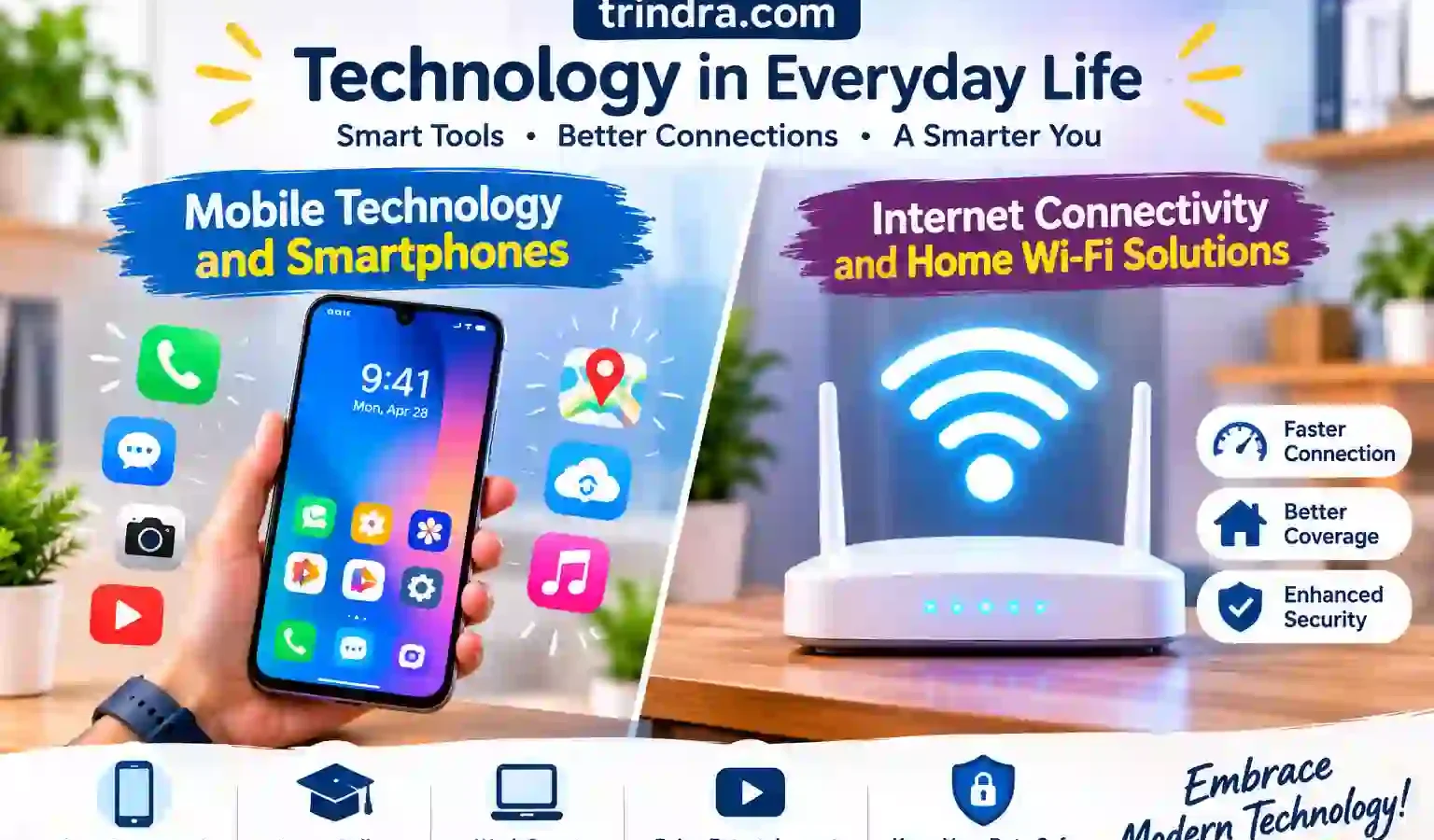
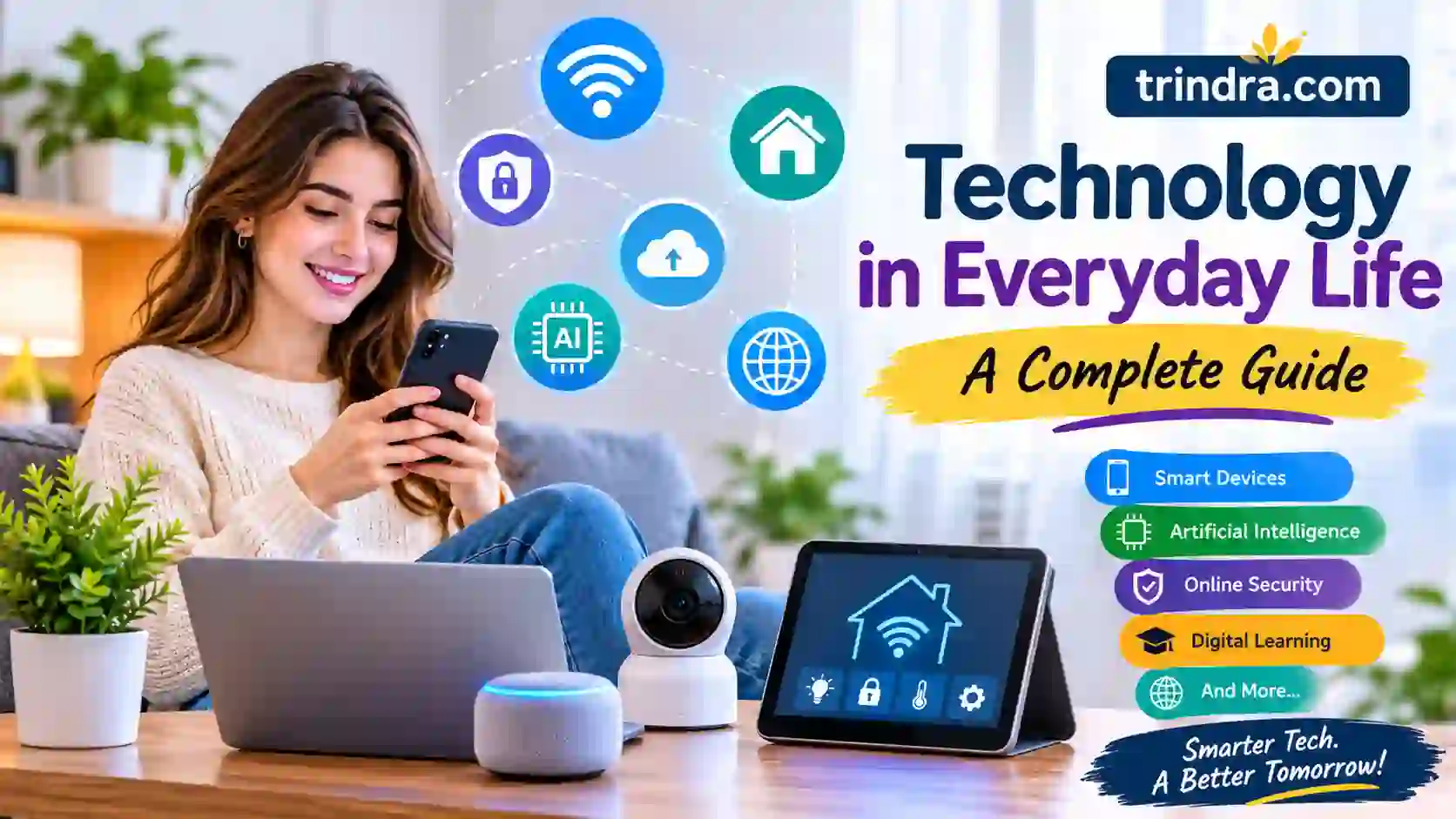
Technology in Everyday Life: A Complete Guide to Modern Digital Living
Technology has become an essential part of modern living, influencing how people communicate, learn, work, and manage their daily activities. From smartphones and smart home devices to artificial intelligence and digital communication, modern technology makes everyday tasks more convenient and accessible. It also creates new opportunities for education, business, entertainment, and personal development. However, understanding how to use these innovations effectively is equally important. This guide explores technology in everyday life, its practical applications, major benefits, potential challenges, and emerging trends that are shaping our digital future.
Modern Technology and Its Importance
Modern technology refers to the tools, systems, devices, and digital innovations that make everyday activities easier, faster, and more efficient. It includes smartphones, computers, the internet, artificial intelligence, smart devices, and various digital platforms. These innovations have changed how people access information, communicate, solve problems, and complete everyday tasks.
Technology continues to develop, creating new opportunities for individuals, businesses, and communities. Understanding its importance helps people make better decisions and use digital resources more effectively.
1. The Evolution of Modern Technology
Technology has developed significantly over the years. Early inventions focused on simplifying basic tasks, while modern innovations support communication, automation, education, and business activities.
Some major developments include:
- Computers and Laptops: These devices help people complete professional, educational, and personal tasks.
- Internet Connectivity: The internet provides quick access to information, online services, and digital communication.
- Smartphones: Mobile devices allow users to communicate, work, learn, and access entertainment from almost anywhere.
- Artificial Intelligence: AI helps automate certain tasks, analyze information, and improve digital experiences.
- Smart Devices: Connected devices make household activities and everyday routines more convenient.
2. Why Technology Is Important in Modern Society
Technology plays an important role in improving productivity and creating better opportunities. People can communicate across distances, access educational resources, and complete many activities without depending entirely on traditional methods.
Its importance can be understood through several areas:
- Better Communication: Digital platforms make sharing information and staying connected easier.
- Improved Productivity: Software and digital tools help organize tasks and save time.
- Easy Access to Information: Search engines and online learning platforms provide useful educational resources.
- Business Development: Digital technology helps companies manage operations and reach customers.
- Everyday Convenience: Smart devices and online services simplify many routine activities.
3. Technology and Changing Lifestyles
Modern technology has influenced people’s lifestyles by changing how they manage their homes, education, work, shopping, and entertainment. For example, online shopping allows customers to explore products conveniently, while digital banking makes everyday financial activities more accessible.
Similarly, smart home systems can help manage lighting, temperature, and household devices. Educational applications also provide opportunities to develop new skills and explore different subjects.
However, using technology responsibly is important. Maintaining privacy, protecting personal information, and balancing screen time can help people enjoy its benefits while avoiding unnecessary digital distractions.
The Role of Technology in Daily Life
Technology plays an important role in everyday activities, making communication, education, shopping, entertainment, and household management more convenient. People use digital devices and online services to complete tasks, find information, and stay connected. As technology continues to develop, it creates new opportunities to improve productivity and simplify daily routines.
1. Technology in Communication
Digital communication has changed how people interact with friends, family, colleagues, and communities. Smartphones, messaging applications, video calls, and email allow people to exchange information quickly, even when they live far apart.
Social platforms also help users share ideas, explore interests, and stay updated with current events. These tools make communication more accessible and convenient.
2. Technology in Education
Technology has made learning resources easier to access. Students can use computers, educational websites, digital libraries, and learning applications to understand different subjects and develop new skills.
Some common educational benefits include:
- Access to online courses and tutorials.
- Digital textbooks and learning materials.
- Interactive educational applications.
- Virtual classrooms and online discussions.
- Opportunities for independent learning.
These resources support different learning preferences and provide flexible educational opportunities.
3. Technology in Shopping and Entertainment
Online shopping platforms allow customers to explore products, compare prices, and read reviews before making purchasing decisions. Digital payment systems also make many transactions more convenient.
Entertainment has changed as well. People can enjoy movies, music, games, podcasts, and other digital content through connected devices.
4. Technology in Household Activities
Smart home devices help people manage different household activities. Smart lighting, connected thermostats, security cameras, and voice-controlled assistants can improve convenience and support everyday home management.
For example, smart thermostats help users monitor indoor temperatures, while automated lighting systems offer flexible control.
Overall, technology has become an important part of modern lifestyles. Using digital tools thoughtfully can help people save time, improve organization, and manage everyday responsibilities more effectively.

Smart Home Technology and Connected Living
Smart home technology is changing how people manage their homes by connecting everyday devices to the internet. These systems allow users to monitor and control household equipment through smartphones, tablets, or voice assistants. From smart lighting to connected security systems, modern innovations make home management more convenient, organized, and efficient.
As connected devices become more accessible, smart home technology is becoming an important part of modern digital living.
1. What Is Smart Home Technology?
Smart home technology refers to internet-connected devices that help automate or remotely control household activities. These devices communicate through wireless networks and allow users to manage different home functions.
Common examples include:
- Smart Lighting: Allows users to control lights, adjust brightness, and create lighting schedules.
- Smart Thermostats: Help manage indoor temperatures and monitor heating or cooling settings.
- Smart Speakers: Provide voice-controlled access to music, reminders, and compatible home devices.
- Smart Security Cameras: Allow homeowners to monitor their property through connected applications.
- Smart Appliances: Some refrigerators, washing machines, and other appliances offer connected features for easier management.
2. Benefits of Connected Living
Connected living offers several practical advantages for modern households. It can simplify daily routines and provide greater control over household activities.
Some important benefits include:
- Convenience: Users can manage compatible devices through a single application.
- Energy Management: Smart thermostats and lighting systems can help monitor energy usage.
- Remote Access: Certain devices allow users to check their home settings while away.
- Better Organization: Automated schedules can simplify repetitive household tasks.
- Customization: Users can adjust compatible devices according to their preferences.
These features make everyday home management more flexible and accessible.
3. How to Create a Smart Home Environment
Creating a smart home does not require purchasing every available device. Starting with a few useful products can make the process easier and more affordable.
First, identify the household activities you want to simplify. Then choose compatible devices that support your needs. Check whether products work with your existing Wi-Fi network and preferred smart home platform.
It is also important to protect connected devices. Use strong passwords, enable available security updates, and review privacy settings regularly.
4. The Future of Smart Homes
Smart home technology continues to develop through artificial intelligence, automation, and improved connectivity. Future systems may offer more personalized controls, better energy monitoring, and improved communication between household devices.
By choosing useful products and maintaining good digital security practices, homeowners can enjoy the convenience of connected living while keeping their homes organized and manageable.
Mobile Technology and Smartphones
Mobile technology has become an essential part of modern life, changing how people communicate, work, learn, and access information. Smartphones, tablets, and wearable devices allow users to complete different activities without depending on traditional computers. With improved internet connectivity and mobile applications, people can manage everyday responsibilities more conveniently.
1. The Importance of Smartphones in Daily Life
Smartphones are among the most widely used digital devices. They combine communication, entertainment, navigation, photography, and productivity features in one portable device.
Some common smartphone uses include:
- Communication: Calling, messaging, and video conferencing with others.
- Education: Accessing online courses, digital books, and learning applications.
- Navigation: Using digital maps to explore locations and plan journeys.
- Entertainment: Watching videos, listening to music, and playing mobile games.
- Productivity: Managing calendars, creating notes, and organizing daily tasks.
These features make smartphones useful tools for personal and professional activities.
2. Mobile Applications and Digital Services
Mobile applications provide access to different services through smartphones and tablets. Users can download applications for communication, shopping, banking, education, fitness, and entertainment.
Productivity applications help organize schedules and manage responsibilities, while educational applications support independent learning. Similarly, mobile shopping platforms allow customers to explore products and compare available options.
Choosing reliable applications and reviewing their permissions can help users maintain better control over their personal information.
3. Mobile Connectivity and 5G Technology
Mobile connectivity allows smartphones to access online services without requiring a fixed internet connection. Modern mobile networks, including 5G, provide improved connectivity and support activities such as video streaming, online communication, and cloud-based services.
Reliable mobile connectivity is particularly useful for people who travel, study remotely, or work outside traditional office environments.
4. Choosing the Right Mobile Technology
Selecting suitable mobile devices depends on individual needs, preferences, and budget. Before purchasing a smartphone, consider battery performance, storage capacity, camera features, software support, and network compatibility.
It is also important to install security updates, use strong screen locks, and download applications from trusted sources.
Overall, mobile technology continues to make digital services more accessible. Using smartphones and mobile applications responsibly can improve organization, communication, and everyday convenience.
Internet Connectivity and Home Wi-Fi Solutions
Internet connectivity is an essential part of modern digital living. It allows people to communicate, access information, attend online classes, work remotely, and enjoy digital entertainment. A reliable home Wi-Fi connection makes these activities easier by connecting multiple devices to the internet without requiring separate wired connections.
1. Understanding Home Internet Connectivity
Home internet connectivity provides access to online services through different technologies, including fiber-optic, cable, DSL, and fixed wireless connections.
Each option offers different speeds, availability, and performance levels. Fiber connections generally provide fast and reliable internet, while other options may be more suitable depending on local availability and household requirements.
2. Importance of a Reliable Wi-Fi Network
A reliable Wi-Fi network supports several everyday activities. It helps households connect smartphones, laptops, smart televisions, gaming devices, and smart home equipment.
Some important benefits include:
- Remote Working: Supports online meetings and professional communication.
- Online Education: Provides access to digital learning platforms.
- Entertainment: Allows users to stream videos and enjoy online content.
- Smart Home Management: Connects compatible household devices.
- Everyday Communication: Supports messaging, video calls, and browsing.
3. Tips for Better Home Wi-Fi Performance
Improving Wi-Fi performance does not always require purchasing expensive equipment. Simple adjustments can help create a more reliable connection.
- Place your router in a central, open location.
- Choose an internet plan that meets household requirements.
- Keep router software updated.
- Use a strong Wi-Fi password.
- Consider a mesh Wi-Fi system for larger homes or areas with weak signals.
4. Protecting Your Home Network
Network security is equally important. Change default router passwords, enable modern Wi-Fi security settings, and update connected devices regularly. Avoid sharing network passwords publicly.
A secure and reliable internet connection helps households enjoy digital services while protecting their connected devices and personal information.

Technology for Education and Online Learning
Technology has transformed education by making learning resources more accessible, flexible, and interactive. Students can now explore different subjects, attend virtual classes, and develop new skills through digital platforms. Computers, smartphones, educational applications, and online libraries have created additional learning opportunities for people of different ages.
Modern educational technology also helps teachers organize lessons, share resources, and communicate with students more effectively.
1. The Role of Technology in Modern Education
Digital technology supports traditional education by providing additional ways to access information and understand complex topics. Students can use computers, tablets, and educational websites to research subjects and complete assignments.
Some common applications include:
- Digital Learning Platforms: Provide online lessons, educational resources, and learning activities.
- Virtual Classrooms: Allow students and teachers to communicate through online meetings.
- Educational Applications: Support learning through interactive exercises and activities.
- Digital Libraries: Provide access to electronic books, articles, and research materials.
- Online Tutorials: Help learners understand difficult subjects through explanations and demonstrations.
These resources make education more flexible and accessible.
2. Benefits of Online Learning
Online learning offers several advantages for students and independent learners. It allows people to study from different locations and organize their learning schedules according to their responsibilities.
Important benefits include:
- Flexible Learning: Students can access lessons at convenient times.
- Wide Learning Opportunities: Online platforms provide courses covering different subjects and skills.
- Independent Study: Learners can review educational materials at their own pace.
- Digital Collaboration: Online tools allow students to share ideas and work on group projects.
- Skill Development: Digital courses help learners explore technology, communication, and professional skills.
3. Technology Tools for Students and Teachers
Different digital tools support educational activities. Presentation software helps teachers explain lessons, while document applications make writing and organizing assignments easier.
Video conferencing platforms support virtual discussions, and educational websites provide additional explanations and practice activities.
Teachers can also use digital assessments to review student progress and identify areas that need improvement.
4. Challenges of Digital Education
Although online education offers many opportunities, it also creates certain challenges. Limited internet access, technical problems, and digital distractions can affect the learning experience.
Students should develop good study habits, protect their personal information, and balance screen-based learning with offline activities.
Overall, technology has created valuable opportunities for education and personal development. When used responsibly, digital learning tools can support knowledge, creativity, and lifelong learning.
Technology in Business and Remote Working
Technology has changed how businesses operate by improving communication, organization, and productivity. Companies use digital tools to manage projects, communicate with customers, store information, and complete daily operations. Remote working has also become more accessible because employees can collaborate through online platforms without always being present in a traditional office.
1. The Role of Technology in Modern Businesses
Digital technology helps businesses manage different activities more efficiently. Computers, cloud platforms, and business applications support everyday operations and improve access to important information.
Some common business technologies include:
- Project Management Tools: Help teams organize tasks, deadlines, and responsibilities.
- Cloud Storage: Allows employees to access and share digital files.
- Communication Platforms: Support online meetings, messaging, and teamwork.
- Customer Management Software: Helps businesses organize customer information and interactions.
- Digital Marketing Tools: Support online advertising, content creation, and audience engagement.
2. Benefits of Remote Working Technology
Remote working technology allows employees to complete professional responsibilities from different locations. Video conferencing, shared documents, and collaboration platforms make communication easier.
Important benefits include flexible work arrangements, easier collaboration, reduced commuting requirements, and access to digital resources.
However, employees should maintain clear communication and organize their schedules to manage responsibilities effectively.
3. Essential Tools for Digital Productivity
Choosing suitable digital tools can improve workplace organization. Calendar applications help manage meetings, while task management software supports project planning. Secure cloud services also make sharing and storing business documents more convenient.
Businesses should prioritize reliable software, employee training, and strong cybersecurity practices when adopting new technologies.
Overall, modern technology provides valuable opportunities for businesses and remote workers. Using appropriate digital tools can improve collaboration, support productivity, and create more flexible working environments.
Artificial Intelligence and Smart Automation
Artificial intelligence (AI) is one of the most important developments in modern technology. It allows computer systems to perform tasks that normally require human-like abilities, such as recognizing patterns, understanding language, and analyzing information. Smart automation uses technology to complete repetitive activities with less manual effort.
Together, these innovations are changing how people work, learn, communicate, and manage everyday responsibilities.
1. Understanding Artificial Intelligence
Artificial intelligence refers to computer systems designed to process information, identify patterns, and generate useful results. AI applications are now used in education, healthcare, business, entertainment, and customer services.
Common examples include:
- AI Assistants: Help users find information and organize tasks.
- Recommendation Systems: Suggest videos, music, and products based on user activity.
- Language Tools: Support writing, translation, and communication.
- Image Recognition: Helps systems identify objects and visual information.
- Data Analysis: Supports businesses in understanding information and identifying trends.
2. Benefits of Smart Automation
Smart automation helps simplify repetitive activities and improve productivity. Businesses can use automated systems to organize information, manage schedules, and handle routine processes.
Some important benefits include saving time, reducing repetitive work, improving consistency, and supporting better organization.
In everyday life, automated reminders, smart lighting, and scheduling applications can also make daily routines more convenient.
3. Challenges and Responsible AI Use
Although artificial intelligence offers many opportunities, it also creates challenges. Incorrect information, privacy concerns, biased results, and excessive dependence on automated systems require careful attention.
Users should verify important information, protect personal data, and remember that AI-generated results may contain mistakes.
4. The Future of AI Technology
Artificial intelligence and automation will continue developing across different industries. Future innovations may improve digital assistance, business operations, educational resources, and smart home systems.
Using these technologies responsibly can help individuals and businesses benefit from innovation while maintaining human judgment and control.
Cybersecurity and Online Privacy
Cybersecurity and online privacy are essential parts of modern digital living. As people increasingly use smartphones, computers, online platforms, and connected devices, protecting personal information has become more important. Cybersecurity involves protecting digital systems, networks, and information from unauthorized access, while online privacy focuses on controlling how personal data is collected, stored, and shared.
Understanding basic security practices helps individuals and businesses enjoy technology more safely.
1. Understanding Cybersecurity
Cybersecurity refers to the methods and technologies used to protect computers, networks, applications, and digital information. It helps prevent unauthorized access and reduces the risk of online threats.
Some common cybersecurity concerns include:
- Phishing: Fake messages or websites designed to trick users into sharing personal information.
- Malware: Harmful software that can affect devices and digital systems.
- Account Theft: Unauthorized access to personal or professional accounts.
- Data Breaches: Incidents where private information is accessed or exposed.
- Online Scams: Misleading websites or messages that attempt to deceive users.
Recognizing these risks is an important step toward safer internet use.
2. Practical Tips for Protecting Online Privacy
Simple security habits can help protect personal information and digital accounts.
- Use Strong Passwords: Create unique passwords for different accounts.
- Enable Two-Factor Authentication: Add an extra verification step where available.
- Update Devices: Install software and security updates regularly.
- Check Website Security: Be careful when sharing information on unfamiliar websites.
- Review App Permissions: Allow applications to access only the information they genuinely need.
- Avoid Suspicious Links: Do not open unexpected links or attachments from unknown sources.
3. Protecting Personal Information Online
People often share information through social media, shopping websites, and digital applications. However, sharing too much personal information can create privacy risks.
Review privacy settings regularly and think carefully before posting personal details publicly. Use trusted services and understand how websites collect and use information.
4. Why Digital Security Matters
Good cybersecurity practices help protect personal accounts, important documents, and sensitive information. Businesses also benefit from secure systems because they help maintain customer trust and protect organizational data.
Overall, cybersecurity and online privacy are essential for responsible technology use. Developing safe digital habits allows people to enjoy modern online services while reducing unnecessary security risks.
Digital Communication and Social Media
Digital communication and social media have transformed how people share information, build relationships, and interact with the world. Smartphones, messaging applications, video conferencing platforms, and social networking websites make communication faster and more accessible. These technologies allow individuals to connect with friends, family, colleagues, and communities across different locations.
1. The Importance of Digital Communication
Digital communication provides convenient ways to exchange information without depending on traditional communication methods. Email, instant messaging, and video calls support personal and professional interactions.
Some common digital communication tools include:
- Email Platforms: Help people exchange professional messages and documents.
- Messaging Applications: Support quick conversations and file sharing.
- Video Conferencing: Allows people to communicate through online meetings.
- Social Networking: Helps users connect with communities and share ideas.
- Collaboration Tools: Support teamwork and information sharing.
2. Benefits of Social Media Platforms
Social media platforms provide opportunities to communicate, discover information, and explore different interests. Businesses also use these platforms to introduce products, connect with customers, and share updates.
Some important benefits include:
- Building professional and personal connections.
- Discovering educational and informative content.
- Sharing creative ideas and experiences.
- Supporting business visibility and communication.
- Following news and community updates.
3. Responsible Use of Social Media
Although social media offers many advantages, responsible usage is important. Users should protect personal information, review privacy settings, and verify information before sharing it.
Managing screen time and avoiding misleading content can also support healthier digital habits.
Overall, digital communication and social media have become important parts of modern technology. Using these platforms thoughtfully helps people stay connected, exchange knowledge, and participate in the digital world more responsibly.
Conclusion
Technology has become an essential part of modern living, influencing how people communicate, learn, work, and manage everyday activities. From smartphones and smart home devices to artificial intelligence and online services, digital innovations continue to create new opportunities and improve convenience.
Understanding modern technology helps individuals make informed decisions, choose useful digital tools, and protect their personal information. However, responsible technology use is equally important. Maintaining online privacy, practicing cybersecurity, and balancing digital activities can create a safer and healthier digital experience.
As technology continues to evolve, staying informed about new developments can help individuals and businesses adapt to changing needs. By using technology wisely, everyone can enjoy its benefits and make everyday life more efficient, connected, and productive.
FAQs
1. Why is technology important in everyday life?
Technology makes everyday activities easier by improving communication, education, entertainment, shopping, and workplace productivity. It also provides quick access to information and digital services.
2. What are the most common types of modern technology?
Common types include smartphones, computers, artificial intelligence, smart home devices, cloud computing, internet connectivity, and wearable technology.
3. How does technology improve education?
Technology provides access to online courses, digital libraries, educational applications, and virtual classrooms. These resources help students learn new skills and explore different subjects.
4. How can people stay safe while using technology?
People can improve digital security by using strong passwords, enabling two-factor authentication, updating devices, avoiding suspicious links, and reviewing privacy settings.
5. What is the future of modern technology?
The future of technology will include further developments in artificial intelligence, automation, smart devices, digital communication, and connected systems. These innovations may make everyday activities more convenient and efficient.