

Cooking & Kitchen: The Complete Guide to Modern Cooking and Kitchen Living
Cooking is an essential part of everyday life, bringing people together through delicious meals, healthy choices, and creative experiences. A well-organized kitchen makes daily cooking easier, while simple techniques and the right tools help save time and effort. Whether you enjoy preparing quick breakfasts, healthy lunches, or family dinners, developing good cooking habits can make a meaningful difference. This guide explores everything from healthy recipes and meal planning to kitchen organization, essential appliances, and smart cooking techniques. Discover practical ideas to make your kitchen more functional and enjoyable while building confidence in everyday cooking.
1. Healthy Cooking and Everyday Nutrition
Healthy cooking plays an important role in maintaining a balanced lifestyle. Choosing nutritious ingredients and preparing meals at home allows you to understand what goes into your food. Instead of depending on heavily processed meals, you can create satisfying dishes using vegetables, fruits, whole grains, protein sources, and healthy fats.
Choosing Nutritious Ingredients
Fresh vegetables, seasonal fruits, beans, whole grains, eggs, and other protein-rich foods can provide essential nutrients. Including different food groups in everyday meals helps create variety and balance.
Using Healthier Cooking Methods
Cooking methods such as steaming, baking, grilling, and sautéing can help prepare flavorful meals without relying heavily on added fats. Using herbs, spices, garlic, and lemon juice is another way to improve flavor.
Building Balanced Everyday Meals
A balanced meal can include vegetables, a protein source, whole grains, and healthy fats. Combining these ingredients creates satisfying meals while supporting everyday nutritional needs.
Developing Healthy Cooking Habits
Plan meals ahead, wash ingredients properly, control food portions according to your needs, and experiment with homemade recipes. Small, consistent habits can make everyday cooking more practical and enjoyable.
2. Easy and Healthy Recipes for Everyday Meals
Preparing healthy meals at home is a simple way to enjoy nutritious food while developing better cooking habits. Everyday recipes do not need expensive ingredients or complicated techniques. With basic kitchen supplies and a little planning, you can prepare delicious breakfasts, lunches, and dinners for yourself and your family. Homemade meals also allow you to choose ingredients, adjust flavors, and explore different cooking styles.
Quick and Nutritious Breakfast Ideas
Breakfast is an opportunity to include different nutrients in your daily meals. Simple options such as oatmeal, boiled eggs, whole-grain toast, yogurt, and fresh fruit can make morning meal preparation easier. You can also prepare smoothies using milk or yogurt, bananas, berries, and other fruits.
Preparing some breakfast ingredients the night before can save time during busy mornings. For example, overnight oats and pre-cut fruit are convenient options for people with limited preparation time.
Simple and Delicious Lunch Recipes
Lunch can include a combination of vegetables, grains, and protein-rich ingredients. Homemade vegetable rice, chicken sandwiches, lentil soup, and fresh salads are practical choices for everyday meals.
You can also use leftover vegetables and cooked ingredients to prepare different lunch combinations. Adding herbs, lemon juice, and homemade dressings can improve flavor without requiring complicated cooking methods.
Easy Dinner Recipes for Busy Days
Preparing dinner after a busy day can sometimes feel challenging. Simple recipes such as vegetable pasta, baked potatoes, homemade soups, and grilled chicken with vegetables can make evening cooking more manageable.
Choosing recipes with fewer ingredients can reduce preparation time and make cleaning easier. You can also prepare sauces and chop vegetables earlier to simplify the cooking process.
Making Everyday Cooking More Enjoyable
Experimenting with different ingredients and cooking styles helps make homemade meals interesting. Try seasonal vegetables, explore traditional dishes, and introduce new flavors into familiar recipes.
Keeping a collection of favorite recipes can also help you decide what to cook throughout the week. With regular practice, everyday cooking becomes easier, more creative, and more enjoyable.

3. Kitchen Organization and Space Management
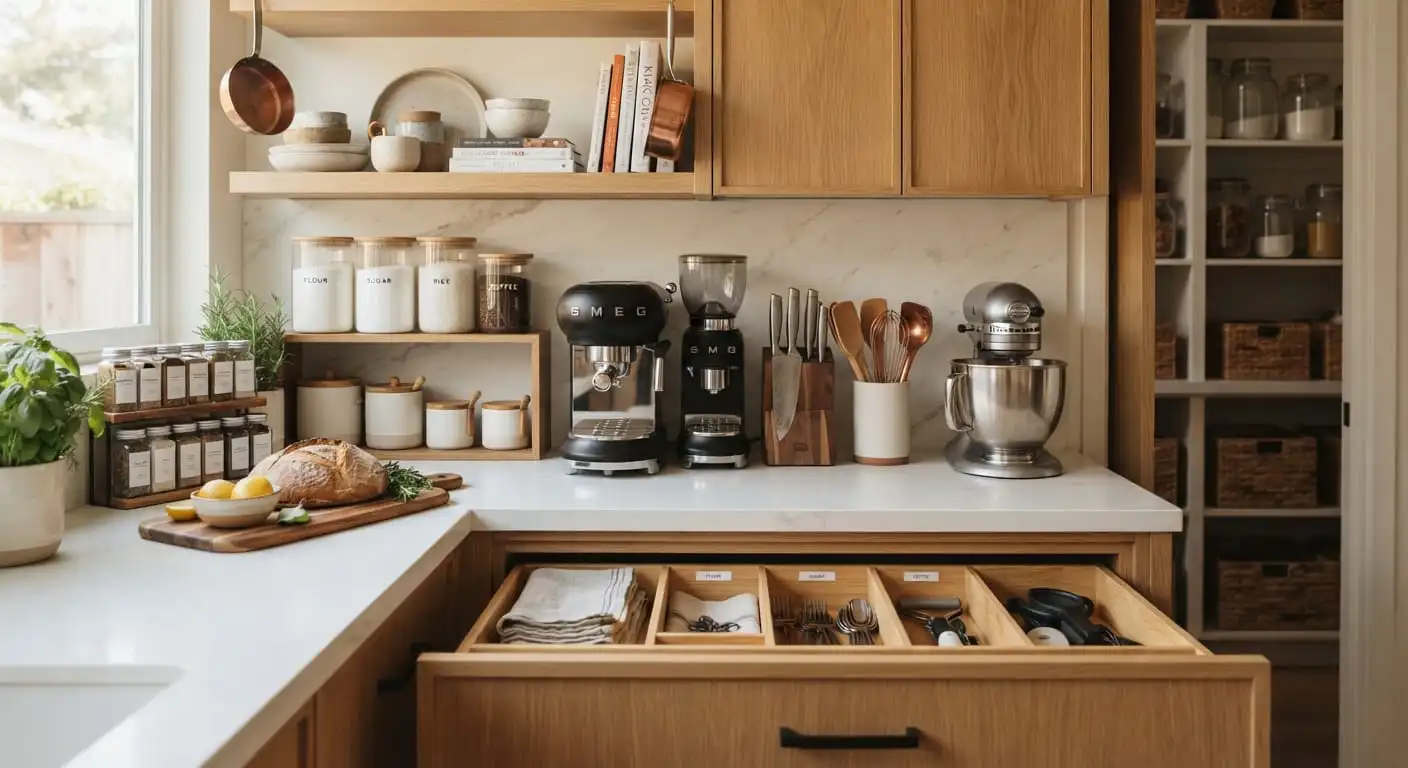
A well-organized kitchen creates a comfortable environment where cooking, cleaning, and food preparation become easier. When kitchen essentials have designated places, you can find items quickly and avoid unnecessary clutter. Good organization is especially valuable in smaller kitchens, where limited storage space requires practical planning. From arranging cabinets to managing countertops, simple improvements can make a significant difference in everyday kitchen activities.
Organizing Kitchen Cabinets and Drawers
Kitchen cabinets and drawers should be arranged according to how frequently you use different items. Keep everyday plates, glasses, cooking utensils, and frequently used ingredients in accessible locations.
Drawer dividers can help separate spoons, forks, knives, and other small utensils. Similarly, clear storage containers make it easier to identify dry ingredients such as rice, flour, pasta, and beans.
Grouping similar items together also creates a more organized storage system. For example, keep baking supplies in one area and everyday cooking essentials in another.
Making the Most of Small Kitchen Spaces
Small kitchens can become more functional with thoughtful storage solutions. Vertical shelves, wall-mounted organizers, hanging racks, and stackable containers help use available space effectively.
Multifunctional furniture and compact appliances can also reduce unnecessary space requirements. Instead of filling every corner with equipment, choose practical items that serve multiple purposes.
Keeping Kitchen Countertops Clean
Countertops provide essential space for cutting vegetables, preparing ingredients, and arranging cookware. Keeping these surfaces clear makes everyday cooking more convenient.
Store appliances that you rarely use inside cabinets and keep only frequently needed equipment on the countertop. Regularly wiping surfaces also helps maintain a clean cooking environment.
Creating a Practical Kitchen Cleaning Routine
An organized kitchen requires consistent maintenance. Wash dishes after meals, clean cooking surfaces, organize food containers, and check storage areas regularly.
A simple cleaning routine prevents unnecessary mess from building up. It also helps you identify expired ingredients and maintain better food storage habits.
Ultimately, effective kitchen organization is not about having an expensive kitchen. It is about using available space wisely and creating a practical environment that supports comfortable everyday cooking.
4. Essential Kitchen Tools and Appliances
Having the right kitchen tools and appliances makes everyday cooking more convenient, organized, and enjoyable. You do not need an expensive collection of equipment to prepare delicious meals. A few reliable kitchen essentials can support different cooking methods, simplify food preparation, and save valuable time. Choosing practical equipment according to your cooking habits also helps create a functional kitchen.
Basic Kitchen Utensils Every Home Needs
Kitchen utensils are important for everyday food preparation. Items such as spatulas, mixing spoons, whisks, measuring cups, vegetable peelers, and kitchen tongs help complete different cooking tasks.
A good set of knives and a durable cutting board are also useful for chopping vegetables, slicing fruits, and preparing other ingredients. Keeping these tools clean and properly stored makes them easier to use whenever needed.
Choosing the Right Cookware
Cookware plays an important role in preparing different types of meals. Pots, frying pans, saucepans, baking trays, and cooking dishes support various recipes and cooking techniques.
Stainless steel, cast iron, and suitable nonstick cookware are common choices for home kitchens. Each material has different characteristics, so consider durability, maintenance requirements, and cooking preferences before purchasing.
Useful Kitchen Appliances for Everyday Cooking
Modern kitchen appliances can reduce preparation time and make certain cooking tasks easier. Refrigerators, microwaves, blenders, electric kettles, and food processors are common examples.
For example, a blender can help prepare smoothies and sauces, while a food processor can assist with chopping and mixing ingredients. However, selecting appliances that match your actual needs is more practical than purchasing equipment you rarely use.
Maintaining Kitchen Tools and Appliances
Regular maintenance helps kitchen equipment remain functional and hygienic. Wash utensils after use, dry cookware properly, and follow manufacturer instructions when cleaning electrical appliances.
Inspect kitchen tools occasionally for damage and replace items that are no longer safe or effective. Proper storage also protects equipment from unnecessary wear.
Building a Practical Kitchen Collection
Start with essential equipment and gradually add specialized tools as your cooking skills develop. Prioritize quality, usefulness, and easy maintenance when choosing kitchen products.
A practical collection of kitchen tools supports everyday meal preparation without creating unnecessary clutter or expenses.
5. Meal Planning and Food Preparation
Meal planning is an effective way to organize everyday cooking, manage grocery shopping, and reduce the stress of deciding what to prepare. Instead of choosing meals at the last minute, planning ahead allows you to consider ingredients, preparation time, and family preferences. It can also help reduce unnecessary food purchases and make better use of available kitchen supplies.
Creating a Weekly Meal Plan
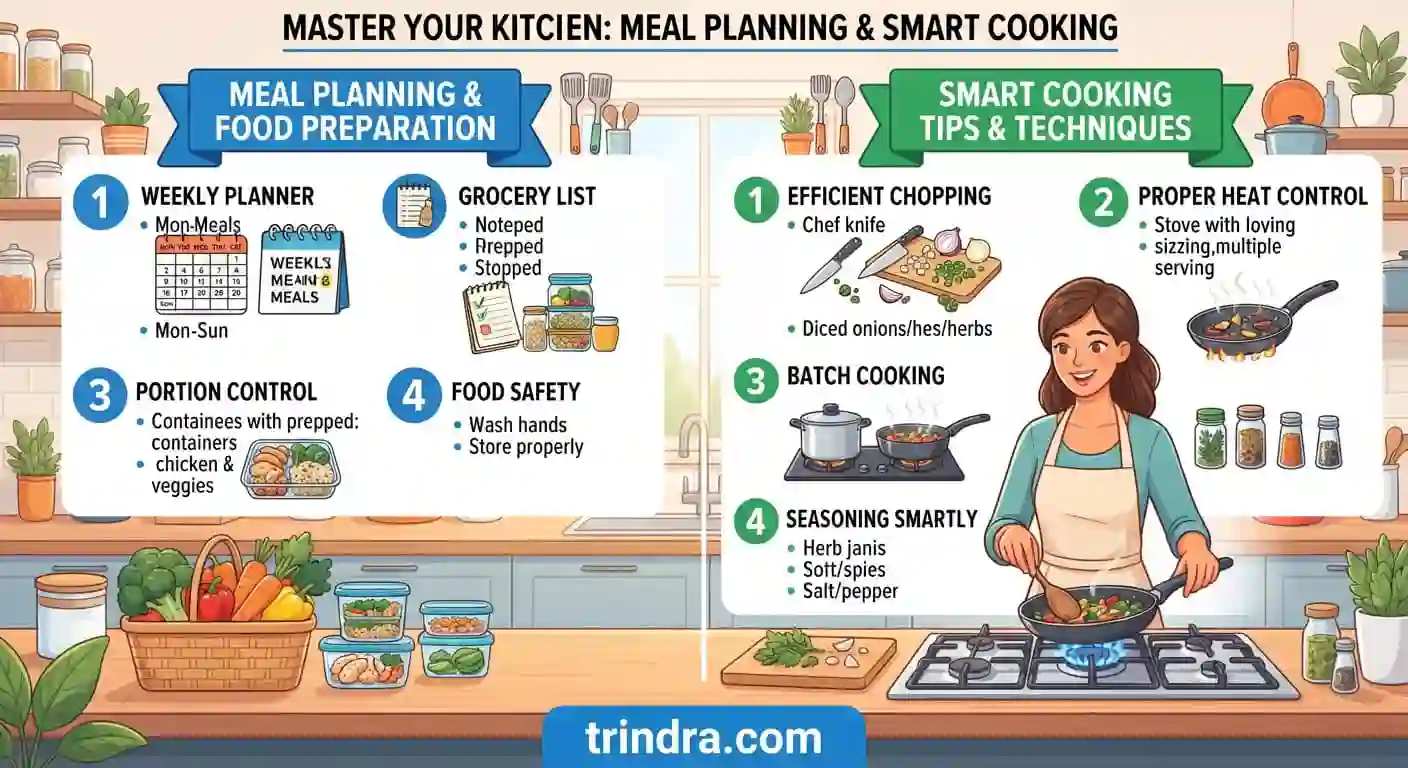
Start by deciding what you would like to prepare for breakfast, lunch, and dinner throughout the week. Choose recipes that use familiar ingredients and fit your daily schedule.
For example, you might plan vegetable rice for lunch, homemade soup for dinner, and oatmeal for breakfast. Include different ingredients and cooking styles to keep meals varied and enjoyable.
A written weekly meal plan can help you stay organized and make grocery shopping more efficient.
Preparing Ingredients in Advance
Food preparation becomes easier when some ingredients are ready before cooking begins. Washing vegetables, measuring dry ingredients, preparing sauces, and organizing spices can save time during busy days.
You can divide preparation tasks into smaller activities and complete them whenever convenient. However, perishable ingredients should be stored safely at appropriate temperatures to maintain food quality.
Creating an Organized Grocery Shopping List
A grocery list helps you purchase the ingredients required for planned meals. Divide your shopping list into categories such as vegetables, fruits, grains, dairy products, and pantry essentials.
Before shopping, check your refrigerator and kitchen cabinets to identify ingredients you already have. This simple habit can prevent duplicate purchases and reduce unnecessary food waste.
Saving Time Through Smart Meal Preparation
Preparing larger batches of suitable meals can make busy weekdays easier. For example, cooked beans, grains, and certain soups can be portioned and stored safely for later use.
Choose recipes with overlapping ingredients so you can use similar vegetables and pantry items in different dishes. This approach also makes grocery shopping more manageable.
Adjusting Meal Plans to Everyday Needs
A useful meal plan should remain flexible. Unexpected schedules, changing preferences, and ingredient availability may require adjustments.
Keep a few simple backup recipes available for days when you have limited time. By combining preparation, organization, and flexibility, meal planning can make everyday cooking more convenient and enjoyable.
6. Smart Cooking Tips and Techniques
Smart cooking techniques can make everyday meal preparation easier, more efficient, and enjoyable. Understanding how to handle ingredients, control cooking temperatures, and combine different flavors helps improve the quality of homemade meals. You do not need professional cooking experience to develop useful kitchen skills. Simple techniques and consistent practice can help you prepare delicious dishes while making better use of your time and ingredients.
Preparing Ingredients Before Cooking
One of the easiest ways to improve your cooking routine is to prepare ingredients before turning on the stove. Wash vegetables, measure spices, organize cookware, and arrange the ingredients required for your recipe.
This preparation method helps prevent unnecessary interruptions during cooking. It also makes it easier to follow recipes and manage multiple cooking tasks at the same time.
Understanding Different Cooking Methods
Different cooking methods create different flavors and textures. Boiling is commonly used for pasta, rice, and vegetables, while steaming provides a simple way to prepare ingredients without adding much fat.
Baking and roasting are useful for preparing vegetables, potatoes, and other dishes. Meanwhile, sautéing allows ingredients to cook quickly in a small amount of oil.
Understanding these methods helps you choose the most suitable technique for each recipe.
Improving Flavor with Herbs and Spices
Herbs and spices can transform simple ingredients into flavorful meals. Garlic, ginger, black pepper, cumin, turmeric, basil, and coriander are commonly used in different cooking styles.
Fresh herbs can add fragrance, while dried spices provide convenient flavor throughout the year. Experimenting with small amounts helps you discover combinations that complement different ingredients.
Managing Cooking Time and Temperature
Cooking time and temperature influence the taste, texture, and safety of food. Following recipe instructions and using appropriate cookware can help produce consistent results.
A kitchen timer is useful when preparing multiple dishes. Food thermometers can also help confirm that meat and other foods have reached safe internal temperatures.
Developing Better Cooking Habits
Regular practice is one of the best ways to improve kitchen confidence. Start with simple recipes, learn from mistakes, and gradually explore new ingredients and techniques.
Keep your workspace organized, clean as you cook, and read recipes carefully before beginning. These small habits can make cooking more manageable and help you develop skills that are useful for everyday life.
7. Food Storage and Waste Reduction
Proper food storage is an important part of maintaining an organized and functional kitchen. It helps preserve food quality, reduce unnecessary waste, and make better use of grocery purchases. When ingredients are stored correctly, they remain easier to identify and manage. Developing practical storage habits can also help households save money and maintain a cleaner cooking environment.
Storing Fresh Fruits and Vegetables
Different fruits and vegetables require different storage conditions. Some ingredients stay fresh longer in the refrigerator, while others are better stored in a cool, dry place.
Keep leafy vegetables in suitable refrigerator storage, and avoid washing produce until you are ready to use it unless the packaging instructions recommend otherwise. Store fruits separately when necessary because some produce releases ethylene gas, which can speed up ripening.
Organizing Refrigerator and Freezer Space
An organized refrigerator makes it easier to locate ingredients and monitor their freshness. Store raw meat and seafood in sealed containers on the lowest shelf to prevent their juices from contaminating other foods.
Keep ready-to-eat foods covered and place leftovers in clearly labeled containers. Maintain the refrigerator at or below 4°C and the freezer at -18°C or colder.
Using Airtight Containers for Pantry Storage
Dry ingredients such as rice, flour, pasta, lentils, nuts, and cereals should be stored in clean, dry, airtight containers.
Transparent containers make it easier to identify ingredients and monitor available quantities. Adding labels with product names and purchase dates can further improve pantry organization.
Reducing Everyday Food Waste
Food waste can often be reduced through simple planning habits. Prepare grocery lists, purchase realistic quantities, and use older ingredients before opening newer packages.
Leftover vegetables can be added to soups, rice dishes, or homemade sauces. Similarly, suitable leftover meals can be refrigerated or frozen promptly for future use.
Understanding Food Safety and Expiration Dates
Always check food labels and follow storage instructions. Keep perishable foods refrigerated promptly and avoid leaving cooked meals at room temperature for extended periods.
It is also important to understand the difference between quality-related date labels and food safety instructions. When food shows signs of spoilage or has been stored improperly, avoid consuming it.
With proper organization and responsible storage, you can reduce waste, protect food quality, and make your kitchen more efficient.
8. Creating a Functional and Modern Kitchen
A modern kitchen should combine comfort, functionality, and practical design. It is more than a place to prepare meals; it is an important part of everyday home life. A well-designed cooking space makes meal preparation easier, improves organization, and creates a welcoming environment for family activities. Whether you have a large kitchen or a small cooking area, thoughtful design choices can help you create a space that meets your everyday needs.
Choosing a Practical Kitchen Layout
A functional kitchen layout makes cooking activities more convenient. The placement of the refrigerator, sink, cooking area, and preparation surfaces should allow comfortable movement between different tasks.
Keep frequently used equipment within easy reach and avoid overcrowding important workspaces. A suitable layout can make food preparation, cooking, and cleaning more organized.
Selecting Modern Kitchen Cabinets and Storage
Kitchen cabinets provide essential storage for cookware, utensils, dishes, and pantry supplies. Choosing cabinets with practical shelves and drawers helps keep everyday items organized.
Modern storage solutions include pull-out drawers, corner organizers, vertical racks, and adjustable shelves. These features are particularly useful in kitchens with limited space.
Using Proper Lighting and Ventilation
Good lighting makes kitchen activities safer and more comfortable. Combine general ceiling lighting with focused lighting above countertops and cooking areas.
Proper ventilation is equally important because cooking produces heat, moisture, and odors. An appropriate ventilation system or extractor hood can help maintain a more comfortable indoor environment.
Adding Energy-Efficient Kitchen Appliances
Modern appliances can improve kitchen convenience while supporting responsible energy use. Energy-efficient refrigerators, dishwashers, ovens, and other appliances may help reduce electricity consumption.
Before purchasing new equipment, compare energy labels, capacity, maintenance requirements, and available features. Select appliances that suit your household’s actual cooking needs.
Creating a Comfortable and Attractive Environment
A pleasant kitchen should be both attractive and easy to maintain. Choose colors, materials, and decorations that complement your home while keeping practical requirements in mind.
Natural light, suitable flooring, organized countertops, and a few decorative elements can improve the overall appearance. Indoor plants can also add a fresh touch when placed away from heat and food-preparation areas.
Ultimately, a modern kitchen does not require expensive renovations. Thoughtful organization, practical equipment, and comfortable design choices can transform an ordinary cooking space into a functional part of everyday living.
Conclusion
Cooking and kitchen management are essential parts of a comfortable and balanced lifestyle. From preparing nutritious meals and exploring easy recipes to organizing kitchen spaces and choosing useful appliances, small improvements can make everyday cooking more enjoyable. Proper meal planning, smart cooking techniques, and responsible food storage also help reduce unnecessary effort and food waste. A functional kitchen does not depend on expensive equipment or complicated designs. Instead, it comes from practical habits, thoughtful organization, and suitable tools. By applying the ideas in this guide, you can build better cooking routines, improve your kitchen environment, and enjoy preparing delicious homemade meals.
Frequently Asked Questions (FAQs)
1. Why is kitchen organization important?
Kitchen organization saves time, reduces clutter, improves accessibility, and makes everyday cooking more convenient.
2. What are the essential tools for a home kitchen?
Basic kitchen essentials include knives, cutting boards, measuring cups, mixing bowls, cooking spoons, pots, pans, and food storage containers.
3. How can I make everyday cooking easier?
Plan meals in advance, prepare ingredients before cooking, organize kitchen tools, and choose simple recipes with accessible ingredients.
4. What are some easy ways to reduce food waste?
Purchase only necessary ingredients, store food properly, use older ingredients first, and incorporate suitable leftovers into other meals.
5. How can I create a functional modern kitchen?
Focus on practical storage, proper lighting, good ventilation, suitable appliances, and an organized cooking workspace.