
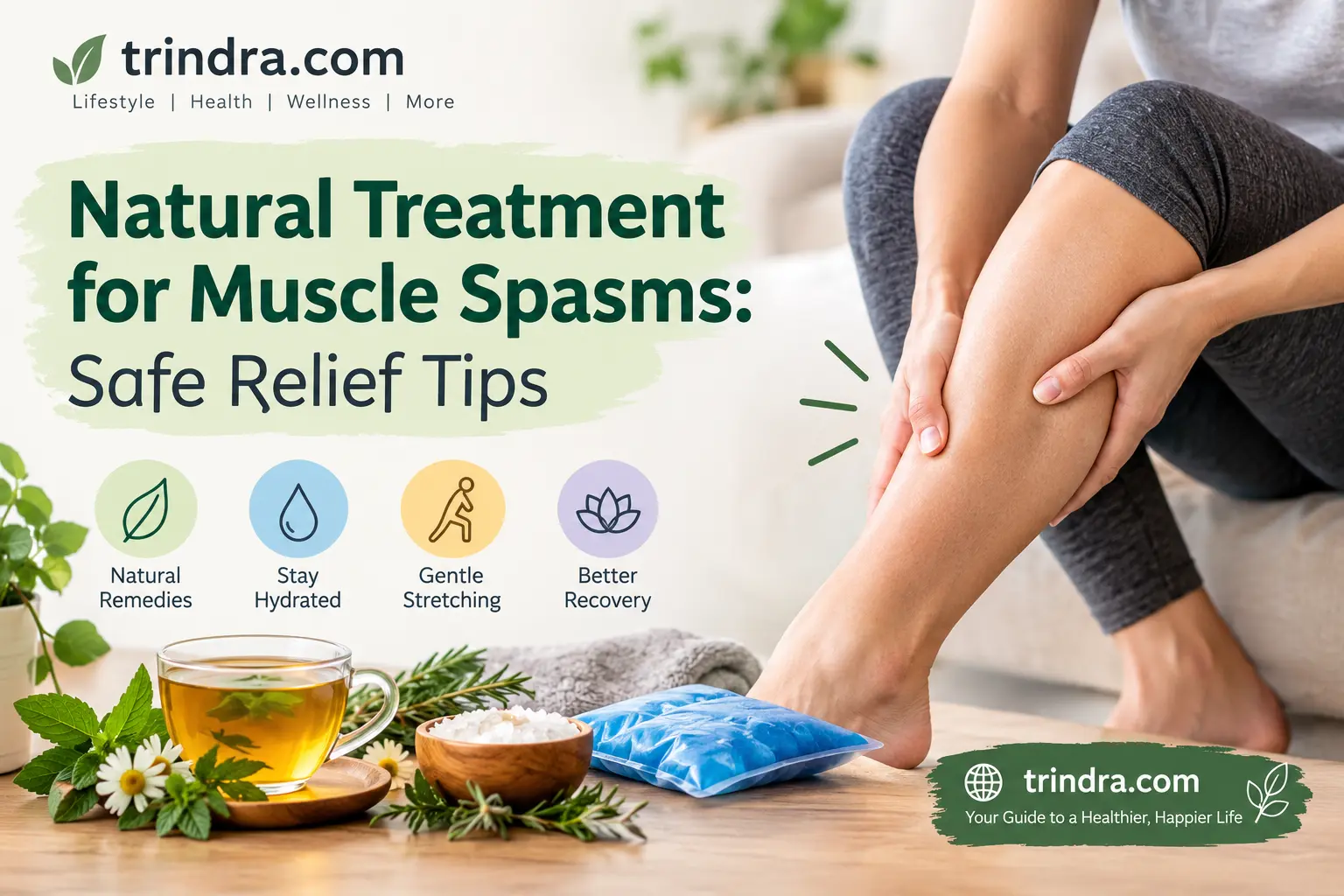
Natural Treatment for Muscle Spasms Safe Home Remedies and Relief
Finding a natural treatment for muscle spasms can be appealing when a muscle suddenly tightens, aches, or feels difficult to move. Mild spasms are common and may happen after exercise, overuse, dehydration, or holding the body in one position for too long. In many cases, simple measures such as gentle stretching, hydration, massage, and heat can provide relief.
A natural treatment for muscle spasms should focus on safe habits rather than relying on unproven remedies. Some people search for herbs for spasms, muscle relaxing tea, or homeopathic products, but evidence varies considerably. Homeopathy, in particular, has little reliable evidence for treating specific health conditions.
The right approach depends on why the spasm is happening. Understanding the difference between an ordinary cramp, a strain, and a more persistent muscle problem can help you decide when home care is reasonable and when professional medical advice is needed.
What Causes Muscle Spasms?
A muscle spasm is an involuntary contraction that can make a muscle feel tight, hard, or painful. Muscle cramps are one common type of spasm and may last from a few seconds to several minutes.
Overuse and Physical Activity
Overusing or straining a muscle can cause temporary spasms, particularly after unfamiliar or intense physical activity. Giving the affected muscle time to recover can help reduce discomfort.
Dehydration and Electrolytes
Not getting enough fluids, especially during exercise or hot weather, may contribute to muscle cramps. Electrolytes also play important roles in normal muscle function.
Other Possible Causes
Certain medicines, health conditions, nerve irritation, or staying in one position for too long can also contribute to muscle spasms. Sometimes, however, there is no obvious cause.
Several everyday factors can contribute to muscle spasms, including:
- Overusing or straining a muscle
- Dehydration
- Heavy exercise, particularly in hot conditions
- Low levels of certain electrolytes
- Staying in one position for a long period
- Certain medicines or health conditions
- Nerve irritation or compression
Sometimes there is no obvious cause. Repeated or severe spasms deserve more attention because they can occasionally be related to an underlying medical issue.
Spasm vs Cramp vs Sprain
The terms spasm, cramp, and sprain are sometimes used interchangeably, but they describe different problems.
A spasm is an involuntary muscle contraction. A cramp is a sudden, often painful tightening of a muscle and can be considered a type of muscle spasm. A sprain, however, involves an injured ligament rather than the muscle itself.
Knowing the difference matters because the appropriate care may be different. If pain started after an injury and is accompanied by significant swelling, difficulty moving, or persistent symptoms, it is better to have the problem assessed rather than assuming it is simply a cramp.
Natural Treatment for Muscle Spasms at Home
For occasional, uncomplicated spasms, several simple approaches may help. These methods are generally intended for comfort and recovery rather than treating an underlying medical condition.
Gentle Stretching
When a muscle suddenly tightens, gentle stretching can help it relax. Avoid forcing the muscle or making sudden movements. A slow stretch held comfortably may be more useful than aggressive stretching.
Regular stretching before and after physical activity may also help reduce the likelihood of cramps.
Massage for Muscle Spasms
Gentle massage for muscle spasms may help a tight muscle relax and can make the area feel more comfortable. MedlinePlus and Mayo Clinic both include gentle massage among self-care approaches for muscle cramps.
Keep the pressure comfortable. If massage makes the pain significantly worse, stop rather than continuing through the discomfort.
Heat and Cold
Heat can be useful when a muscle feels tight or tense. A warm shower, bath, or warm towel may provide temporary comfort. Cold may be more useful when an area remains sore after the initial spasm.
Always avoid extremely hot temperatures and protect the skin when using a heating pad.
Stay Hydrated
Not getting enough fluids can increase the risk of muscle cramps, particularly during exercise or heavy sweating. Drinking fluids regularly throughout the day is therefore an important part of muscle care.
If someone has been exercising intensely or sweating heavily, electrolyte replacement may sometimes be relevant. However, unnecessary supplements are not automatically better, and individual needs can vary.
Herbs, Tea, and Other Natural Remedies
Searches for herbs for spasms, anti spasmodic herbs, and muscle relaxing tea are common. Herbal products may sound gentle because they come from plants, but “natural” does not automatically mean safe or effective.
Herbs for Muscle Spasms
Scientific evidence varies widely between herbal supplements, and products can differ from those studied in research. Some supplements can also interact with medicines or create risks around medical procedures.
Muscle Relaxing Tea
A warm, caffeine-free tea can be part of a relaxing routine, but it should not be presented as a proven treatment for muscle spasms. The benefit may come more from warmth and relaxation than from a specific medicinal effect.
Safety of Natural Supplements
Anyone considering concentrated herbal products or supplements should discuss them with a qualified healthcare professional, especially if they take medication or have an upcoming procedure.
What About Homeopathic Treatments?
People may also search for muscle spasms treatment homeopathic options. However, current evidence does not establish homeopathy as an effective treatment for specific health conditions.
Some products labeled homeopathic may also contain active ingredients that can cause side effects or interact with medicines.
For that reason, homeopathic products should not replace appropriate medical evaluation or proven treatment.
How Long Does Muscle Spasm Last in the Back?
People often ask, how long does muscle spasm last in the back? There is no single duration that applies to everyone.
Short-Term Back Spasms
An uncomplicated cramp may last seconds to several minutes, although the affected area can remain sore afterward.
Recurring Back Tightness
Back spasms may feel different depending on their cause. Repeated episodes may be associated with physical strain, posture, or other factors.
When Back Spasms Need Attention
If back tightness keeps returning, lasts a long time, becomes severe, or occurs with weakness, numbness, or other concerning symptoms, medical assessment is appropriate.
Food and Muscle Health
The phrase foods that work like painkillers can be misleading. Food cannot generally be treated as a direct replacement for medical pain treatment.
Nutrients for Normal Muscle Function
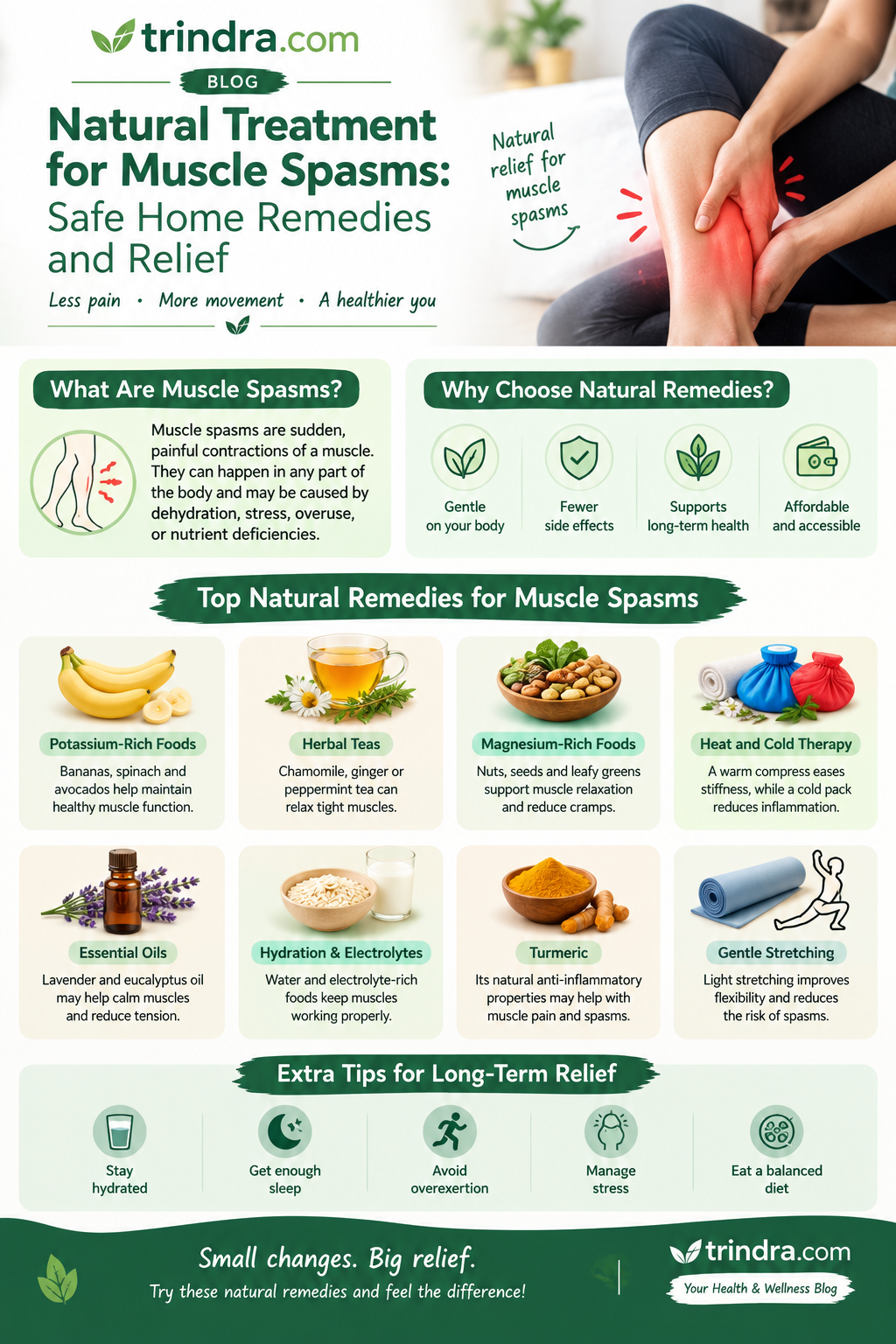
Instead, focus on a balanced diet that provides adequate nutrients. Foods containing potassium, calcium, magnesium, protein, and other nutrients contribute to normal body functions.
Hydration and Nutrition
Maintaining adequate fluid intake alongside a balanced diet can support normal muscle function, particularly when physical activity or sweating is part of your routine.
When Supplements May Be Considered
Supplements or specific foods should not be used to self-treat persistent spasms without understanding the underlying cause.
If spasms are frequent, a healthcare professional may consider factors such as medications, hydration, electrolyte levels, thyroid function, kidney function, or nerve-related problems.
How to Stop Muscle Spasms After Surgery
If you are wondering how to stop muscle spasms after surgery, the safest answer is to follow the instructions provided by your surgical or medical team.
Follow Post-Surgery Instructions
After surgery, muscle discomfort can have different causes, and the appropriate treatment depends on the procedure and your recovery.
Be Careful With Home Remedies
Do not begin herbs, supplements, massage, stretching, or other remedies around a surgical area without checking with your healthcare provider.
Supplements can interact with medicines and may create risks around medical procedures.
When to Contact Your Medical Team
Seek medical advice if postoperative spasms are severe, worsening, associated with increasing pain, weakness, swelling, redness, fever, or other symptoms that concern you.
When Should You See a Doctor?
A mild occasional muscle cramp often improves with basic self-care. However, medical advice is important when spasms are severe, frequent, persistent, or do not improve with simple measures.
Severe or Frequent Spasms
Contact a healthcare professional if spasms are unusually painful, happen repeatedly, or continue without an obvious explanation.
Weakness or Other Symptoms
Medical attention is particularly important if spasms are accompanied by muscle weakness, significant swelling, redness, warmth, or difficulty moving normally.
Persistent Symptoms
Repeated episodes, persistent or worsening pain, or symptoms that do not improve with basic self-care should be evaluated by a healthcare professional.
Contact a healthcare professional if spasms are accompanied by:
- Muscle weakness
- Significant swelling, redness, or warmth
- Persistent or worsening pain
- Difficulty moving normally
- Repeated episodes without an obvious reason
- Long-lasting or increasingly frequent symptoms
MedlinePlus recommends medical evaluation for cramps that are severe, occur frequently, last a long time, or do not improve with stretching and adequate fluids.
Conclusion
A natural treatment for muscle spasms can begin with simple, low-risk habits such as gentle stretching, comfortable massage, hydration, and appropriate use of heat or cold. These approaches may help with occasional muscle tightness, but they are not a substitute for medical care when symptoms are severe or persistent.
Herbs, teas, and homeopathic products should also be approached carefully. Evidence for herbal products varies, while reliable evidence supporting homeopathy for specific conditions is limited.
Dealing with recurring muscle spasms can be frustrating. Start by paying attention to hydration, activity, stretching, and possible triggers. If your symptoms continue or become more severe, talk with a qualified healthcare professional to identify the underlying cause and choose an appropriate treatment plan.
If muscle spasms keep returning or interfere with your daily activities, consider discussing your symptoms with a qualified healthcare professional. Understanding the possible cause can help you choose a safer and more appropriate approach to muscle care.
Frequently Asked Questions
1. What is the best natural treatment for muscle spasms?
Gentle stretching, hydration, comfortable massage, and heat may help with occasional muscle cramps. The best approach depends on the cause of the spasm.
2. How long does a typical muscle cramp last?
Many muscle cramps last from several seconds to several minutes. The muscle may remain sore after the cramp has stopped.
3. Can herbs help with muscle spasms?
Some herbs are promoted for muscle relaxation, but evidence varies between products. Herbal supplements may also interact with medicines, so professional advice is sensible before using concentrated supplements.
4. Is massage helpful for muscle spasms?
Gentle massage may help relax a cramped muscle and provide temporary comfort. Avoid forceful massage if it increases pain.
5. When should muscle spasms be checked by a doctor?
Seek medical advice when spasms are severe, frequent, persistent, associated with weakness or swelling, or do not improve with basic self-care.