

The Ultimate Guide to Modern Living: Build a Healthy, Happy, and Balanced Lifestyle
Modern living is about creating a healthy balance between physical wellness, mental well-being, personal growth, and everyday responsibilities. In today’s busy world, maintaining a balanced lifestyle can sometimes feel challenging, but small positive changes can make a meaningful difference. This Ultimate Guide to Modern Living explores practical ways to improve your daily habits, develop a productive routine, manage stress, build healthy relationships, and achieve personal development goals. Whether you want to improve your health, become more organized, or find greater balance in everyday life, this guide will help you discover simple strategies for building a healthier and happier lifestyle.
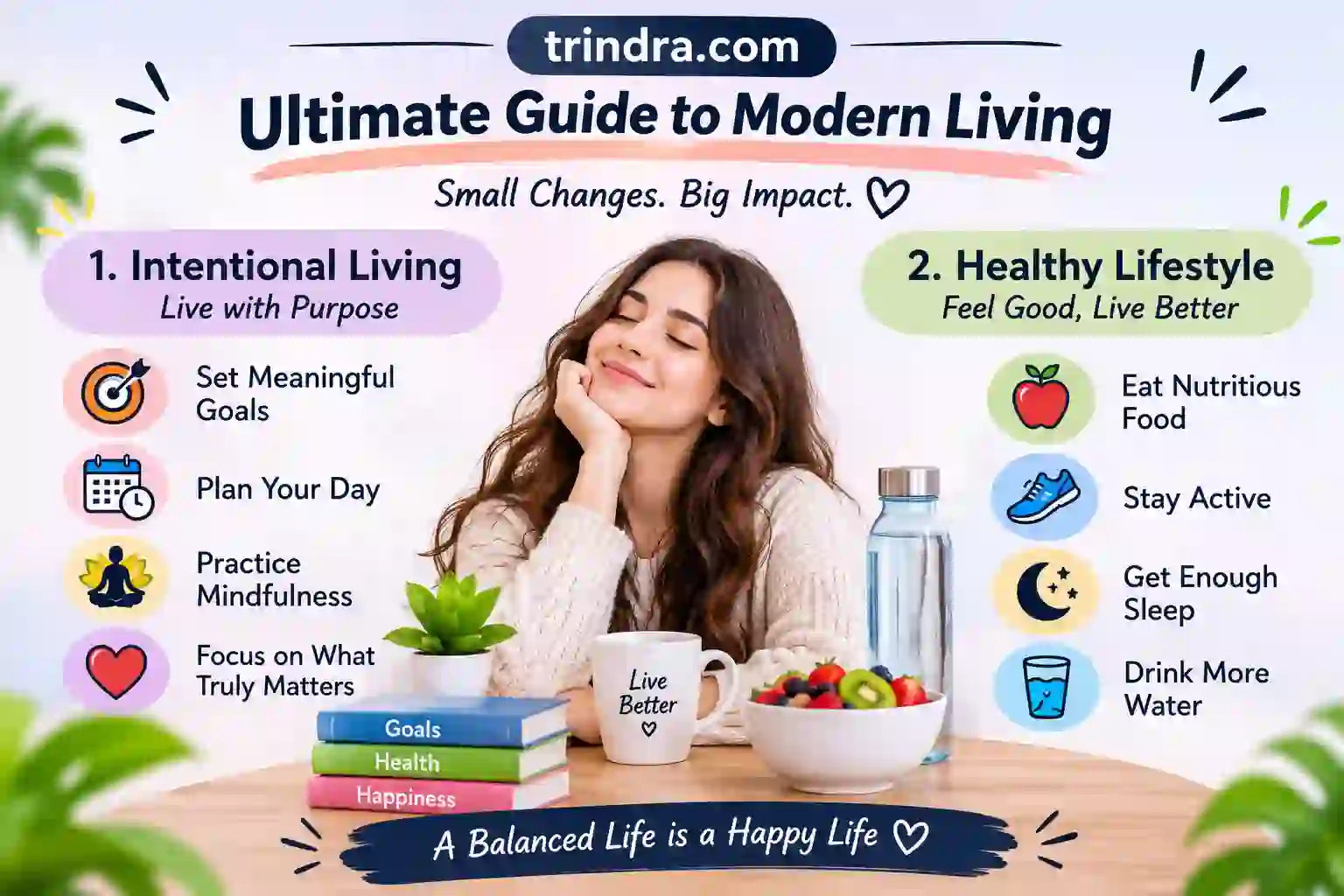
1. Understanding the Importance of a Healthy Lifestyle
A healthy lifestyle is the foundation of a happier, more productive, and balanced life. It involves making positive choices that support physical health, mental wellness, and emotional well-being. In modern life, busy schedules and daily responsibilities can make healthy habits difficult to maintain. However, developing simple routines, eating balanced meals, staying active, and making time for relaxation can improve everyday well-being. Understanding the importance of healthy living helps individuals make better decisions and create habits that support long-term personal growth.
What Does a Healthy Lifestyle Really Mean?
A healthy lifestyle means following daily habits that support overall well-being. It is not about making every decision perfectly but about finding a balance that works with your needs and responsibilities.
Some important elements include:
- Eating a variety of nutritious foods.
- Staying physically active.
- Getting sufficient sleep and rest.
- Maintaining positive relationships.
- Taking care of mental and emotional health.
- Making time for personal interests.
By focusing on these habits, individuals can build a lifestyle that supports their everyday needs.
Benefits of Living a Healthy Lifestyle
Following healthy habits can bring several benefits to everyday life. These habits support both physical and mental well-being while helping individuals manage their responsibilities more effectively.
Some important benefits include:
- Better Energy: Balanced meals, regular movement, and proper rest help support everyday energy.
- Improved Mental Well-Being: Relaxation and positive activities can support emotional balance.
- Better Productivity: A structured routine helps individuals organize their daily responsibilities.
- Healthy Relationships: Positive communication and social connections contribute to a supportive environment.
- Personal Growth: Learning new skills and setting meaningful goals encourage continuous improvement.
How Modern Living Affects Our Daily Habits
Modern living has changed how people work, communicate, learn, and spend their free time. Technology makes everyday tasks easier, but busy schedules and excessive screen time can sometimes affect daily routines.
For example, spending too much time using digital devices may reduce opportunities for physical activity and face-to-face communication. Similarly, managing multiple responsibilities can make it difficult to maintain consistent eating and sleeping habits.
To create a healthier balance, consider these simple practices:
- Set reasonable limits on screen time.
- Include physical activities in your daily schedule.
- Make time for family and friends.
- Follow a consistent sleeping routine.
- Balance work, personal interests, and relaxation.
Developing these habits can help you enjoy the advantages of modern living while maintaining a healthier and more balanced lifestyle.
2. How to Improve Your Physical and Mental Wellness
Physical and mental wellness are essential parts of a healthy and balanced lifestyle. Both influence how people feel, think, and manage their everyday responsibilities. Taking care of your body through healthy eating, regular movement, and sufficient rest can support overall well-being. Similarly, maintaining mental wellness through relaxation, positive relationships, and enjoyable activities can help create emotional balance. The key to modern living is developing simple habits that support both physical and mental health without making everyday life complicated. Small, consistent changes can help individuals build a healthier and more fulfilling lifestyle.
Building Healthy Habits for Physical Wellness
Physical wellness involves taking care of your body through everyday activities and healthy choices. Developing positive habits can support general health and help you feel more comfortable throughout the day.
Here are some practical ways to support physical wellness:
- Stay Physically Active: Include enjoyable activities such as walking, cycling, dancing, or playing outdoor games in your routine.
- Choose Balanced Meals: Eat a variety of fruits, vegetables, whole grains, and protein-rich foods to support your nutritional needs.
- Maintain Proper Hydration: Drink water regularly throughout the day.
- Get Enough Rest: Maintain a consistent sleep schedule and give your body time to recover.
- Enjoy Outdoor Activities: Spending time outside can provide a refreshing break from indoor responsibilities.
Building these habits gradually can make physical wellness a natural part of your daily lifestyle.
Simple Ways to Support Mental Wellness
Mental wellness is an important part of living a balanced life. It involves understanding your emotions, managing everyday challenges, and maintaining a positive connection with yourself and others.
Consider these simple practices to support mental wellness:
- Practice Mindfulness: Spend a few minutes focusing on the present moment and your surroundings.
- Enjoy Your Hobbies: Make time for activities such as reading, gardening, painting, or listening to music.
- Stay Connected: Communicate regularly with friends, family members, and people you trust.
- Take Relaxation Breaks: Give yourself time away from work, studies, and digital devices.
- Express Your Feelings: Writing in a journal or talking with someone supportive can help you understand your emotions.
Remember that mental wellness looks different for everyone. Finding activities that make you feel comfortable and supported is an important step toward a healthier lifestyle.
3. How to Create a Daily Routine for a Better Life
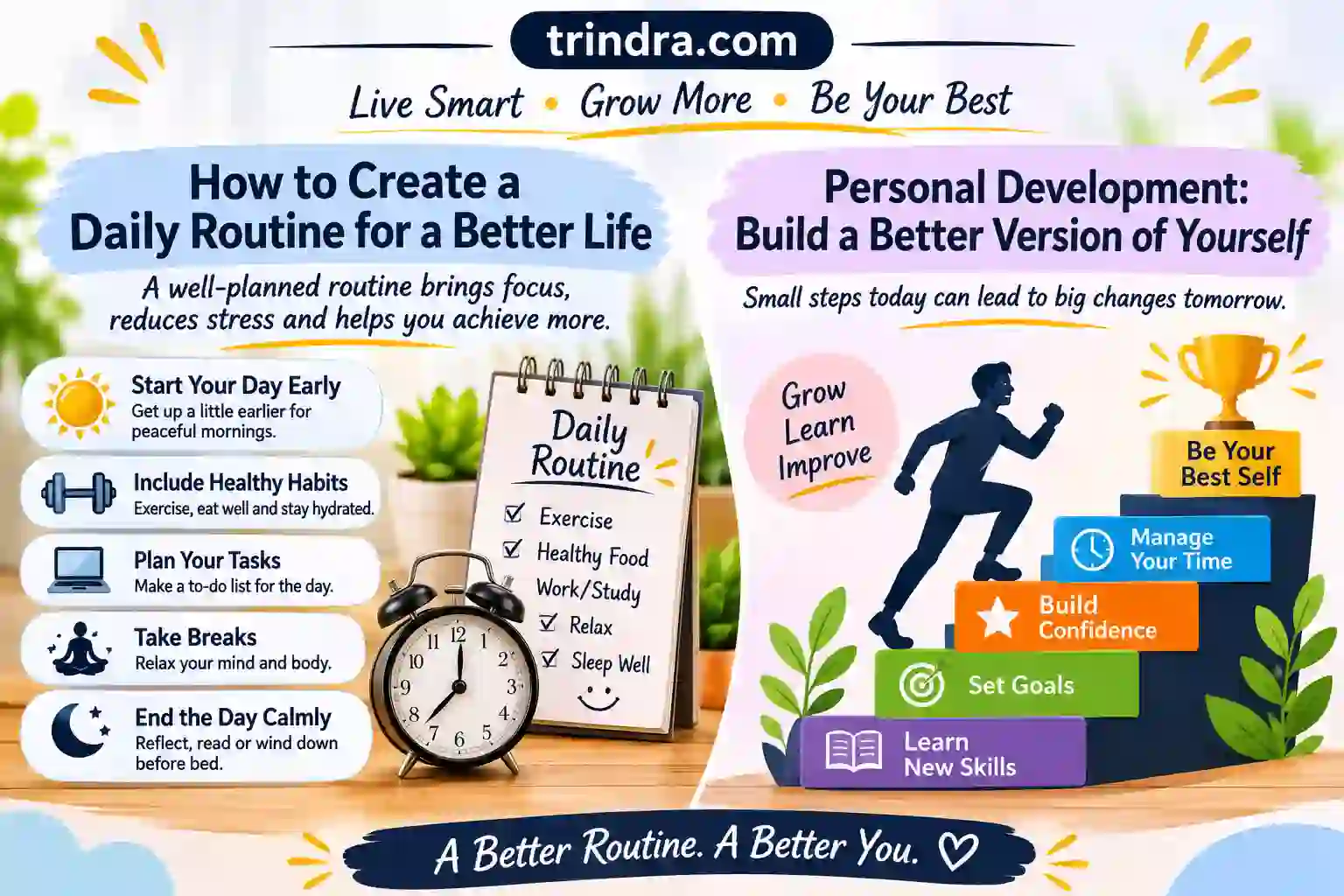
Creating a daily routine is an important step toward maintaining an organized, productive, and balanced lifestyle. A well-planned routine helps you manage responsibilities, develop positive habits, and make time for personal interests. In modern life, balancing work, studies, family, and personal activities can sometimes feel challenging. However, having a simple schedule can make everyday tasks easier to manage. A good daily routine does not need to be complicated or strict. It should include activities that support your physical wellness, mental well-being, and personal development while allowing enough flexibility for unexpected situations.
Why Having a Daily Routine Is Important
A daily routine provides structure and helps individuals organize their time more effectively. When you follow a consistent schedule, it becomes easier to understand your priorities and complete important responsibilities without unnecessary confusion.
Here are some important benefits of maintaining a daily routine:
- Better Time Management: Organizing activities helps you use your time more effectively.
- Improved Productivity: A clear schedule makes it easier to focus on important tasks.
- Healthy Habits: Regular routines encourage positive habits such as eating balanced meals and getting enough rest.
- Reduced Daily Stress: Knowing what needs to be done can make everyday responsibilities feel more manageable.
- Personal Development: Setting aside time for learning and self-improvement supports continuous growth.
A realistic routine helps you maintain consistency while giving you enough time to enjoy everyday life.
Building a Healthy Morning Routine
A healthy morning routine can help you begin the day with a clear mind and a positive approach. Instead of rushing through the morning, try including simple activities that prepare you for the day ahead.
Consider these morning habits:
- Wake Up at a Consistent Time: Following a regular waking schedule can help create structure.
- Drink Water: Start your morning by drinking a glass of water.
- Enjoy a Balanced Breakfast: Choose nutritious foods that provide energy for your morning activities.
- Plan Your Priorities: Write down the important tasks you want to complete.
- Include Some Movement: Try stretching, walking, or another enjoyable physical activity.
You do not need to follow a complicated morning schedule. Choose a few activities that fit your lifestyle and practice them consistently.
Creating a Productive Evening Routine
An evening routine helps you slow down after a busy day and prepare for the next morning. It also creates an opportunity to reflect on your progress and spend time on activities that help you relax.
Some useful evening habits include:
- Review Your Daily Progress: Think about the tasks you completed and what you can improve tomorrow.
- Prepare for the Next Day: Organize your belongings and make a simple plan for upcoming responsibilities.
- Reduce Screen Time: Take a break from digital devices before bedtime.
- Enjoy Relaxing Activities: Reading, listening to calming music, or spending time with family can make evenings more enjoyable.
- Maintain a Sleep Schedule: Try going to bed at a consistent time to support healthy sleep habits.
A peaceful evening routine can make it easier to maintain balance between daily responsibilities and personal wellness.
Tips for Maintaining a Consistent Routine
Building a routine is one thing, but maintaining it over time requires patience and flexibility. Some days may be busy or unpredictable, so it is important to create a schedule that works with your actual responsibilities.
Follow these practical tips:
- Start Small: Introduce two or three positive habits instead of changing your entire schedule at once.
- Set Realistic Goals: Plan activities that you can comfortably manage.
- Track Your Progress: Use a notebook or digital planner to monitor your daily habits.
- Stay Flexible: Adjust your schedule when unexpected responsibilities arise.
- Celebrate Small Achievements: Appreciate your progress and continue improving gradually.
Remember that a successful daily routine should make life easier, not create additional pressure. Focus on consistency rather than perfection, and adjust your habits whenever necessary.
4. Personal Development: Build a Better Version of Yourself
Personal development is an important part of creating a meaningful, successful, and balanced lifestyle. It involves understanding your strengths, improving your skills, developing positive habits, and working toward personal goals. In modern living, continuous learning and self-improvement can help individuals become more confident and better prepared for everyday challenges. Whether you want to improve your communication, manage your time, learn new skills, or develop healthier habits, personal growth starts with small and consistent efforts. By focusing on meaningful changes, you can gradually build a lifestyle that supports your ambitions, well-being, and long-term happiness.
Setting Meaningful Goals for Personal Development
Setting goals gives you a clear direction and helps turn your ideas into achievable actions. Without realistic goals, it can become difficult to measure progress or stay focused on personal improvement.
Here are some effective ways to set meaningful personal development goals:
- Identify Your Priorities: Decide which areas of your life need attention, such as education, communication, health, or time management.
- Create Clear Goals: Make your goals specific so you understand exactly what you want to achieve.
- Break Goals Into Smaller Steps: Divide larger goals into manageable activities.
- Set Realistic Deadlines: Give yourself enough time to complete each step.
- Review Your Progress: Regularly evaluate your achievements and make adjustments when needed.
For example, if you want to improve your reading habits, begin with a few pages each day rather than setting an unrealistic target. Small actions can gradually become meaningful habits.
Developing Positive Habits for Self-Improvement
Positive habits play an important role in personal development because they influence how you spend your time and approach everyday responsibilities. Consistent actions can help you improve your knowledge, confidence, and overall lifestyle.
Consider developing these useful habits:
- Read and Learn Regularly: Reading books, articles, and educational resources can expand your knowledge.
- Improve Communication Skills: Practice listening carefully, expressing your ideas clearly, and respecting different opinions.
- Practice Self-Discipline: Complete important responsibilities and remain consistent with your personal goals.
- Manage Your Time: Organize your schedule and give attention to important activities.
- Learn New Skills: Explore activities that encourage creativity, knowledge, and personal growth.
- Reflect on Your Progress: Take time to understand your achievements and identify areas where you can improve.
These habits do not require major lifestyle changes. Start with activities that fit your schedule and gradually build a routine that supports continuous improvement.
Overcoming Common Personal Development Challenges
Personal development is a continuous process, and everyone experiences challenges while working toward their goals. Sometimes, distractions, busy schedules, unrealistic expectations, or a lack of confidence can make progress difficult.
However, understanding these challenges can help you develop better strategies.
Here are some practical ways to overcome common difficulties:
- Manage Distractions: Create a comfortable environment and limit unnecessary interruptions when working on important tasks.
- Stay Motivated: Remind yourself why you started and focus on the benefits of your goals.
- Learn From Mistakes: Treat setbacks as opportunities to understand what needs improvement.
- Avoid Comparing Yourself With Others: Focus on your own progress instead of following someone else’s journey.
- Be Patient: Personal growth takes time, so give yourself room to learn and improve.
The most important part of personal development is continuing to learn and make positive changes. You do not need to achieve everything immediately. Focus on realistic goals, maintain healthy habits, and appreciate every step forward.
5. Stress Management and Emotional Well-Being
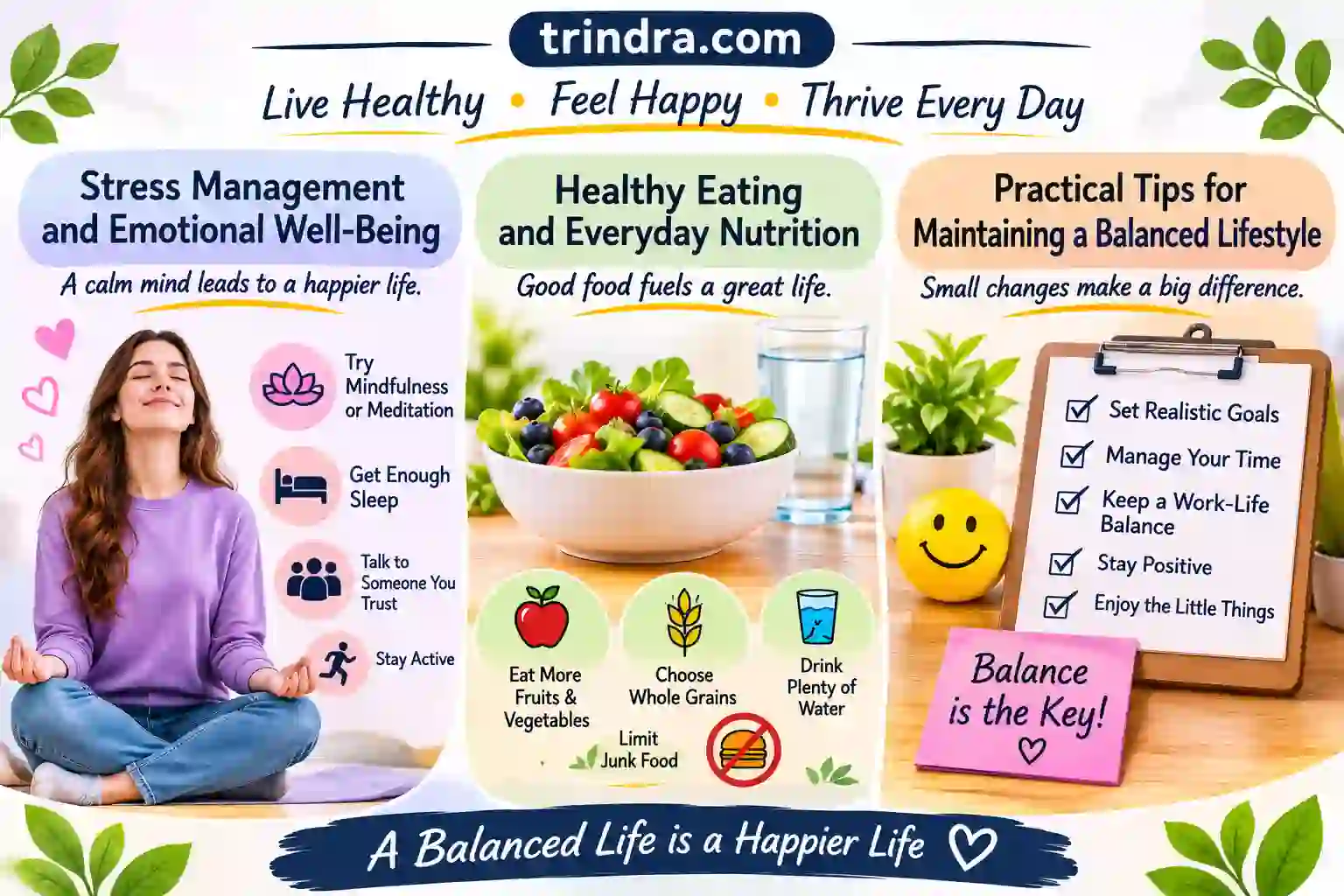
Stress management is an important part of maintaining a healthy and balanced lifestyle. Everyday responsibilities, work pressure, studies, and personal challenges can sometimes affect emotional well-being. Learning how to manage these situations can help individuals maintain a positive mindset and handle daily activities more comfortably. Emotional well-being is equally important because it helps people understand their feelings, build healthy relationships, and respond to challenges in a thoughtful way. Developing relaxation habits, maintaining supportive connections, and creating a peaceful environment can make everyday life more manageable. By giving attention to mental wellness, you can build healthier habits and enjoy a more balanced lifestyle.
Simple Stress Management Techniques
Developing healthy ways to manage stress can make everyday challenges easier to handle. You do not need complicated methods to create a relaxing routine. Simple activities can provide opportunities to pause, refresh your mind, and focus on your well-being.
Consider these practical stress management techniques:
- Practice Deep Breathing: Take slow, comfortable breaths and focus your attention on the present moment.
- Try Mindfulness Activities: Spend a few minutes noticing your surroundings without focusing on unnecessary distractions.
- Spend Time Outdoors: Walking in a park or enjoying fresh air can provide a refreshing break.
- Enjoy Relaxing Hobbies: Reading, gardening, painting, and listening to music can make free time more enjoyable.
- Stay Physically Active: Choose activities such as walking, cycling, or dancing that you find enjoyable.
- Organize Your Responsibilities: Break larger tasks into smaller steps to make them easier to manage.
If stress becomes overwhelming or continues affecting everyday life, talking with a trusted adult or qualified professional can provide additional support.
How to Maintain Emotional Balance
Emotional balance means understanding your feelings and developing healthy ways to respond to different situations. It does not mean feeling happy all the time. Instead, it involves recognizing your emotions and giving yourself time to process them.
Here are some helpful practices:
- Understand Your Emotions: Pay attention to how different situations influence your feelings.
- Maintain Positive Relationships: Spend time with people who listen, understand, and support you.
- Practice Positive Thinking: Focus on realistic and encouraging thoughts rather than expecting everything to be perfect.
- Set Healthy Boundaries: Learn to manage your responsibilities and communicate your personal needs.
- Make Time for Yourself: Include enjoyable activities and relaxation in your daily routine.
Developing these practices can help you build stronger emotional awareness and maintain healthier relationships.
Building a Peaceful and Supportive Environment
Your surroundings can influence your mood, daily habits, and overall lifestyle. A comfortable and supportive environment can make it easier to relax, concentrate, and manage everyday responsibilities.
You can create a more peaceful environment by following these suggestions:
- Keep Your Space Organized: Arrange your home or workspace to make everyday activities easier.
- Reduce Unnecessary Noise: Create a comfortable area where you can read, study, or relax.
- Spend Time With Supportive People: Maintain relationships with friends and family members who encourage positive growth.
- Create Relaxation Spaces: Include a comfortable place for reading, hobbies, or quiet activities.
- Maintain a Healthy Digital Balance: Take regular breaks from screens and avoid unnecessary online distractions.
A supportive environment does not need to be expensive or complicated. Small improvements in your surroundings can help create a more comfortable and balanced daily experience.
6. Healthy Eating and Everyday Nutrition
Healthy eating is an essential part of maintaining a balanced lifestyle and supporting overall well-being. The food you eat provides energy and nutrients that help your body perform everyday activities. In modern life, busy schedules and limited preparation time can sometimes make it difficult to maintain healthy eating habits. However, choosing balanced meals, including different food groups, and drinking enough water can make a positive difference. A healthy diet does not mean avoiding your favorite foods or following complicated eating plans. Instead, it involves making nutritious choices that fit your lifestyle and support your everyday needs.
Developing Better Eating Habits
Developing healthy eating habits does not require changing everything at once. Simple improvements in your everyday food choices can help you create a sustainable eating routine.
Consider these practical suggestions:
- Plan Your Meals: Think about your meals in advance to make grocery shopping and food preparation easier.
- Eat a Variety of Foods: Include different food groups throughout the day.
- Maintain Regular Eating Patterns: Choose meal times that fit your daily schedule and personal needs.
- Drink Enough Water: Stay hydrated throughout the day.
- Prepare Meals at Home: Homemade meals allow you to explore ingredients and cooking methods.
- Enjoy Food Mindfully: Take time to enjoy your meals without unnecessary distractions.
The goal is to develop a flexible eating routine that supports your health without making food choices stressful.
Simple Healthy Meal Ideas for Busy Days
Preparing nutritious meals can sometimes feel challenging when you have a busy schedule. Fortunately, many simple meal options require basic ingredients and minimal preparation.
Here are some ideas for different meals:
Healthy Breakfast Ideas
- Oatmeal with fresh fruits and nuts.
- Whole-grain toast with eggs.
- Yogurt with berries and seeds.
- A fruit smoothie with milk or a suitable alternative.
Balanced Lunch Ideas
- Grilled chicken with vegetables and brown rice.
- Lentil soup with whole-grain bread.
- Vegetable wraps with beans.
- A mixed salad with eggs or chickpeas.
Nutritious Dinner Ideas
- Baked fish with vegetables.
- Vegetable and chicken stir-fry with rice.
- Homemade lentil curry.
- Whole-grain pasta with tomato sauce and vegetables.
Planning simple meals can help you maintain healthy eating habits even when your daily schedule becomes busy.
Remember, healthy nutrition is about variety, balance, and consistency. Choose foods you enjoy, explore new recipes, and develop eating habits that work with your everyday lifestyle.
7. Practical Tips for Maintaining a Balanced Lifestyle
Maintaining a balanced lifestyle requires consistent effort, healthy habits, and realistic daily choices. Modern life can become busy with work, studies, family responsibilities, and personal commitments. However, creating a healthy balance does not mean changing everything at once. Small improvements in your daily routine can support physical wellness, mental well-being, and personal development. By managing your time, enjoying meaningful activities, and making space for relaxation, you can create a lifestyle that suits your needs. The key is to develop sustainable habits that make everyday life healthier, more organized, and more enjoyable.
Make Small Changes Every Day
Small lifestyle improvements can gradually become positive long-term habits. Instead of making major changes immediately, focus on simple activities that fit naturally into your daily routine.
Consider these suggestions:
- Start your morning with a positive activity.
- Include enjoyable physical movement in your day.
- Choose balanced and nutritious meals.
- Spend time learning something new.
- Practice gratitude and appreciate everyday experiences.
- Maintain a consistent sleeping schedule.
Remember that consistency is more important than perfection. Small steps can help you develop habits that support a healthier lifestyle.
Manage Your Time Effectively
Effective time management helps you organize responsibilities and make enough space for personal activities. A clear schedule can reduce confusion and help you focus on important priorities.
Follow these practical tips:
- Create a Daily Schedule: Write down important activities and responsibilities.
- Prioritize Important Tasks: Complete essential activities before focusing on less important ones.
- Avoid Distractions: Limit unnecessary notifications and interruptions.
- Take Regular Breaks: Give yourself time to relax between activities.
- Review Your Progress: Check your daily achievements and adjust your schedule when necessary.
Good time management can make everyday responsibilities easier to handle while allowing you to enjoy your personal interests.
Make Time for Rest and Recreation
Rest and recreation are essential for maintaining a balanced lifestyle. Spending all your time on responsibilities can make everyday life feel repetitive and exhausting. Enjoyable activities provide opportunities to relax, refresh your mind, and reconnect with your interests.
Some activities you can include in your routine are:
- Reading books or educational articles.
- Spending time with family and friends.
- Exploring nature and outdoor activities.
- Listening to music or enjoying creative hobbies.
- Taking regular breaks from digital devices.
- Maintaining a comfortable sleep routine.
Making time for enjoyable activities helps create a healthier balance between responsibilities and personal well-being.
Conclusion
Building a healthy and balanced lifestyle starts with small, positive changes. From improving physical and mental wellness to developing daily routines, managing stress, and setting personal goals, every habit contributes to a better everyday experience. The key is to remain consistent, understand your priorities, and choose practices that fit your needs. You do not need to change everything overnight. Start with simple steps, appreciate your progress, and continue learning. With patience and commitment, you can create a healthier, happier, and more meaningful life.
Frequently Asked Questions (FAQs)
1. What Is the Best Way to Start Living a Healthy Lifestyle?
Start with simple habits such as eating balanced meals, staying physically active, getting enough rest, and maintaining a consistent daily routine.
2. How Can I Improve My Lifestyle Every Day?
You can improve your lifestyle by managing your time, developing positive habits, maintaining healthy relationships, and making time for activities that support your well-being.
3. Why Is Personal Development Important for a Better Life?
Personal development helps individuals improve their skills, build confidence, understand their strengths, and work toward meaningful personal goals.
4. How Can I Create a Healthy Daily Routine?
Start by organizing your morning, prioritizing important tasks, scheduling relaxation breaks, and maintaining a consistent evening routine.
5. What Are the Most Important Habits for a Balanced Lifestyle?
Healthy eating, regular physical activity, sufficient rest, stress management, positive relationships, and continuous personal growth are important habits for balanced living.